 Learn More About Our Organization

 Continue the Journey of Learning and Impact
 Explore Opportunities in the Sustainable Blue Economy
 Partner with us to support youth and the future of our planet

About Kalaallit Nunaat
History of Kalaallit Nunaat
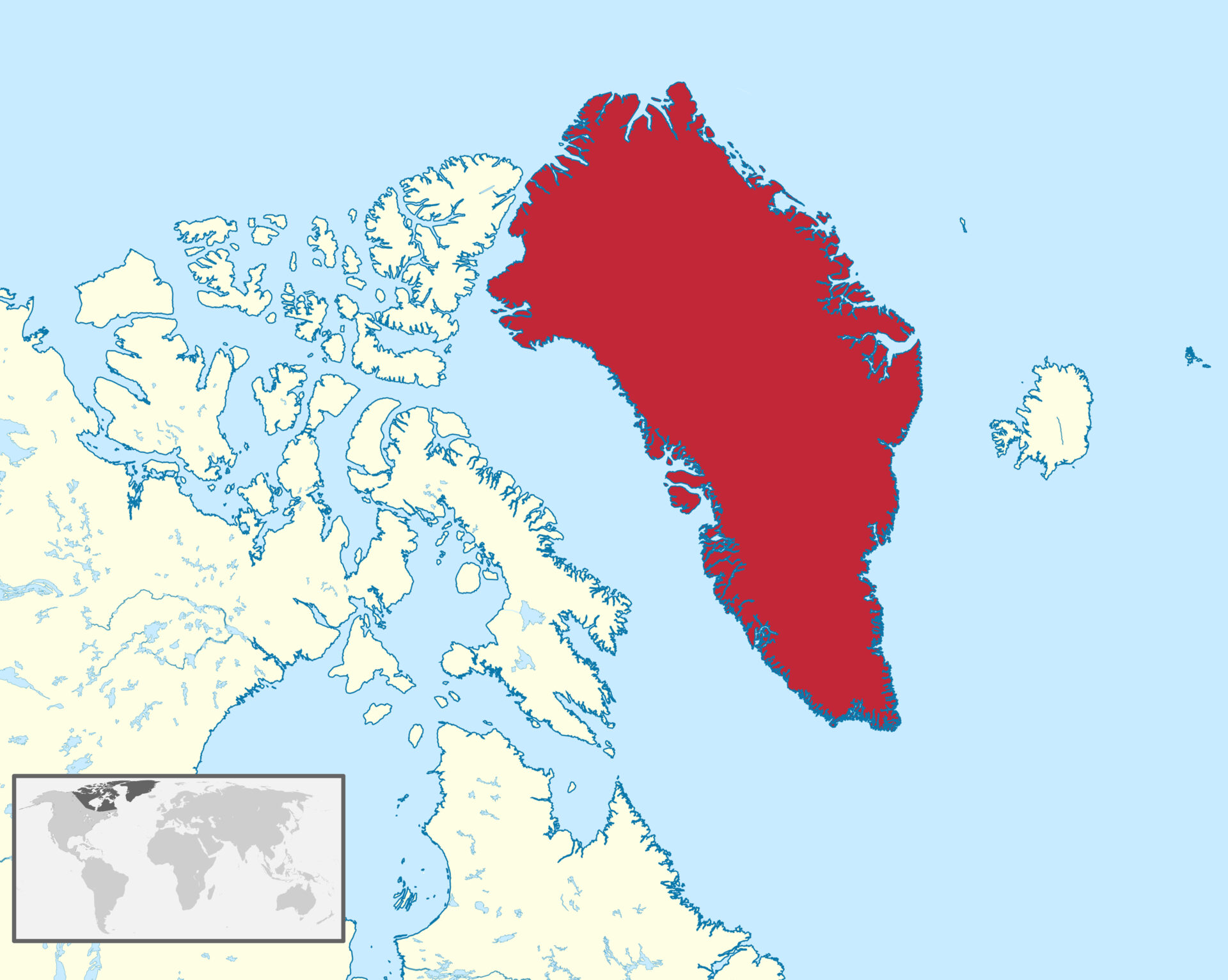
The world’s largest island and home to the Greenland ice sheet, which covers about 80% of the island, Kalaallit Nunaat’s history is a complex tapestry woven from ancient Inuit traditions, Viking settlement, and European influence. Initially inhabited by the Dorset, Norse, and then the Thule (ancestors of the modern Inuit), Kalaallit Nunaat is home to about 56,500 people – of which almost 90% are Inuit. Most of Greenland’s population is situated along the ice-free coastal areas, namely in the south and southwest.
Although the population is primarily Inuit, there exists distinct groups like the Kalaallit (West Greenlanders), Tunumiit (East Greenlanders), and Inughuit (North Greenlanders). Their history includes encounters with Norse settlers, Danish colonization, and significant cultural and economic changes over time.
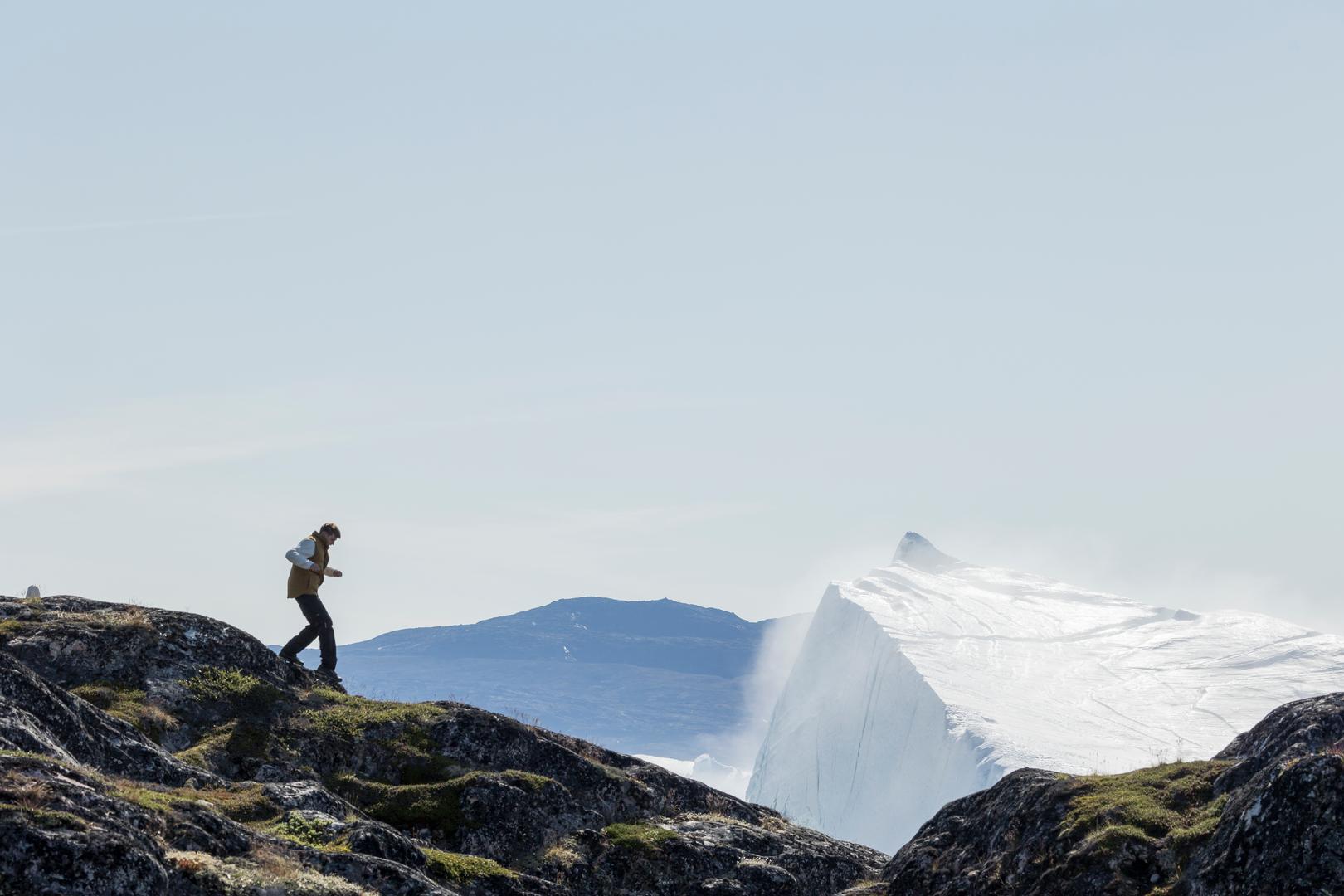
More on Kalaallit Nunaat’s History
Greenland’s Diversity
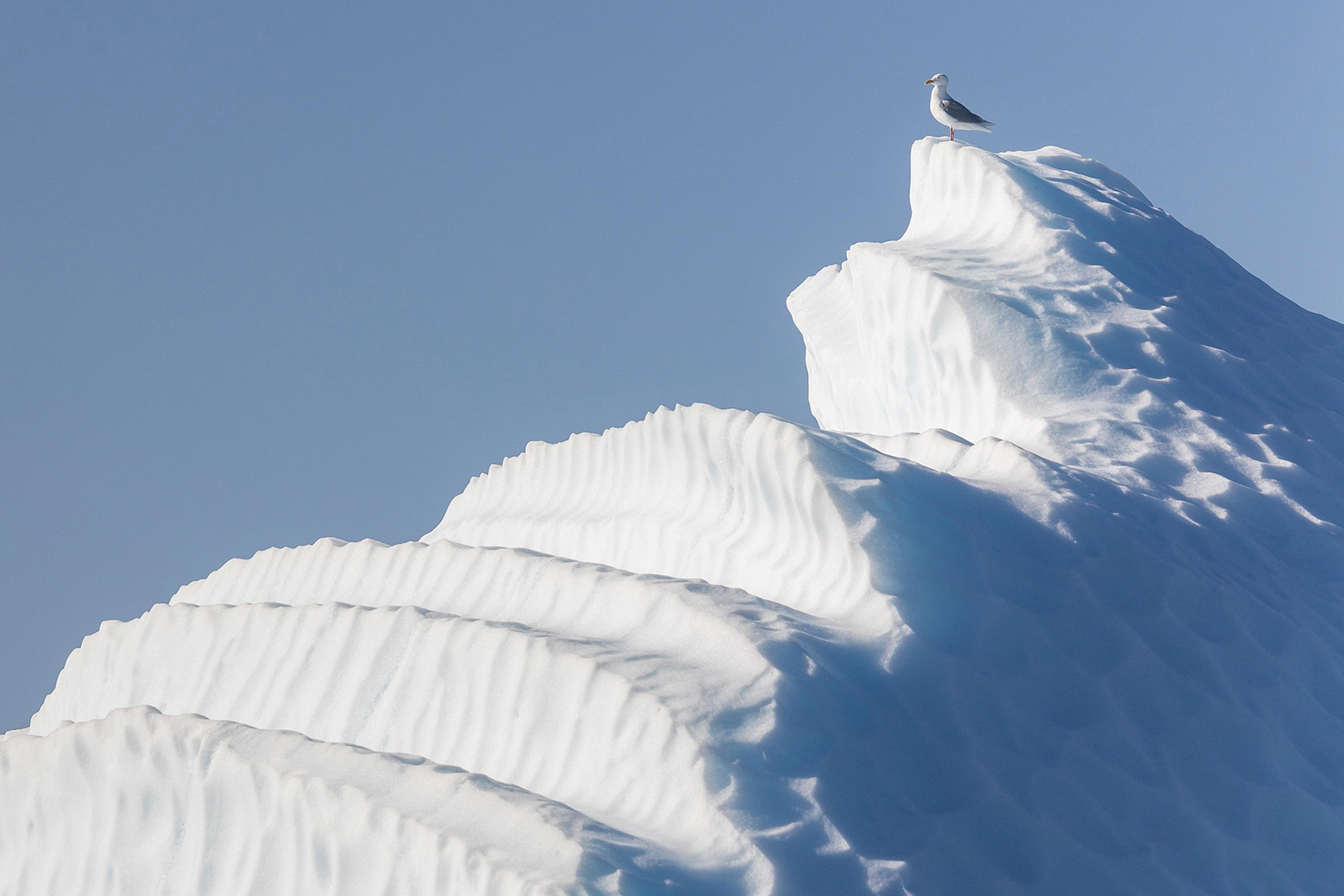
The Route to Self-Government
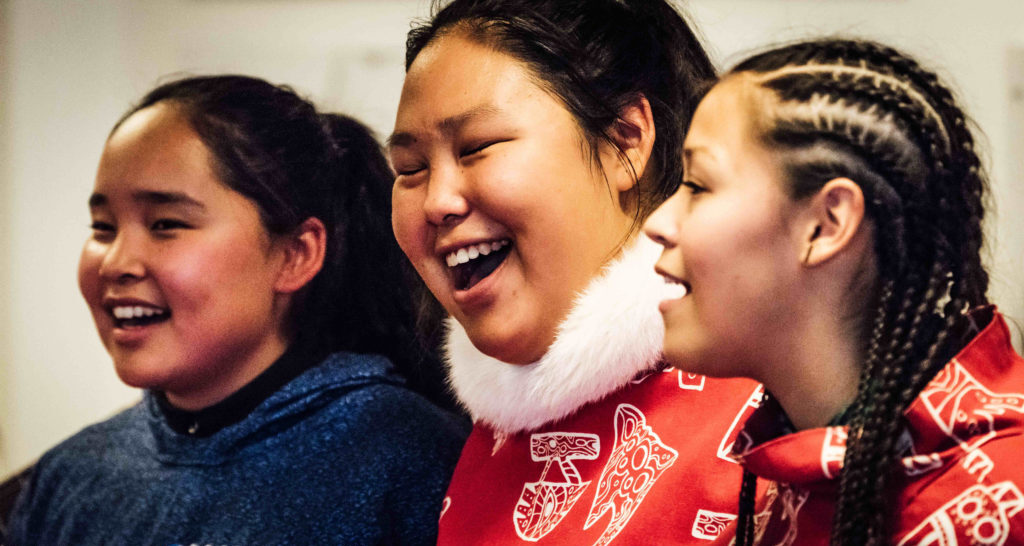
Language
Kalaallisut is the language spoken by most people who call Greenland home. It is an Eskimo–Aleut language and is closely related to Inuktut, the group of Inuit languages in Canada. It is the official language of Greenland and widely spoken across West Greenland. Another dialect is Tunumiit oraasiat, or East Greenlandic, and is the language of the Tunumiit. The language of the Inughuit (Thule Inuit), about 1% of Greenland’s population, is Inuktun, an Inuktut dialect. Here are some keywords in Kalaallisut to get you started:
- Kalaallit Nunaat means “Land of the Greenlanders”
- Qujanaq [Qu-ja-naq] is “thank you”
- Aap [aap] is “yes”
- Naamik [naa-mek] is “no”
Visit the Language Secretariat of Greenland’s website below for more language tools.
Although Kalaallit Nunaat has a population of about 57,000, it has only 13 towns with a population of more than 1,000 people. Its 58 other towns and settlements have populations of as few as 13 people (Kangerluk) and as many as 833 in Qeqertarsuaq. Learn more about the diverse towns of Kalaallit Nunaat below.
Nuuk
Meaning: “Point (of a peninsula)”
Sisimiut
Meaning: "The people living in a place where there are fox dens"
Ilulissat
Meaning: "Iceberg"
Qaqortoq
Meaning: “White"
Aasiaat
Meaning: "Spiders"
Maniitsoq
Meaning: "The uneven place"
Kangerlussuaq
Meaning: "Big fjord"
Tasiilaq
Meaning: "the town with the seawater that looks like a lake"
Ittoqqortoormiit
Meaning: “The place with the big houses”
Qeqertarsuaq
Meaning: "The large island"
Conservation in Kalaallit Nunaat
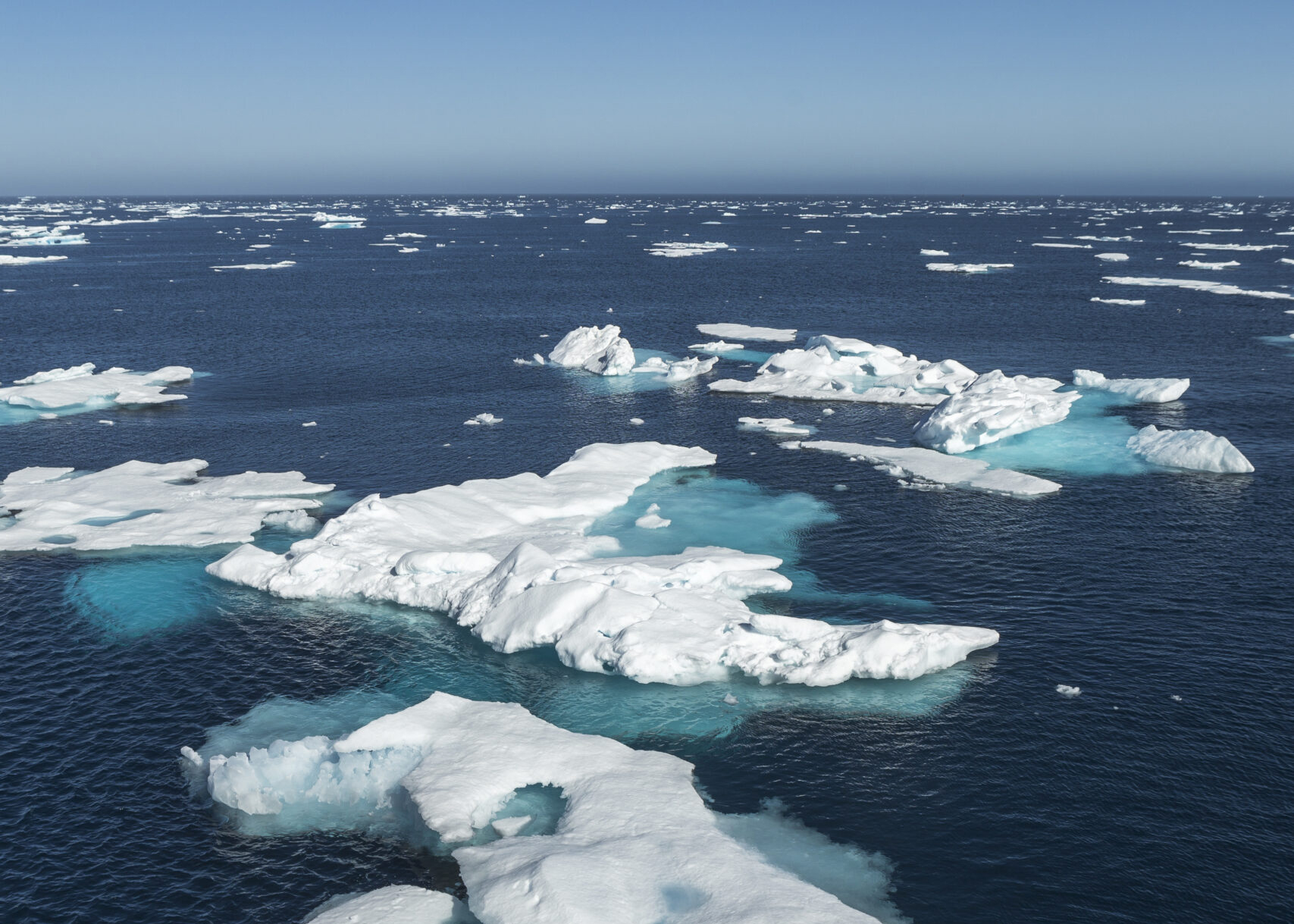
Greenland is home to some of the most incredible wilderness on Earth, and many efforts are underway to protect its unique plants, animals, and ocean environments. One of the world’s largest protected areas, North East Greenland National Park, safeguards huge stretches of Arctic land and sea where polar bears, musk oxen, Arctic foxes, and migratory birds live. Between eastern Nunavut and western Greenland, Pikialasorsuaq (The North Water Polynya), or “The Great Upwelling,” is a vital zone of rich ocean life that supports important wildlife and Indigenous food systems, and communities are working to ensure it stays healthy for people and animals alike.
Beyond these places, conservation initiatives focus on protecting biodiversity hotspots, monitoring sea ice and wildlife populations, and blending local Inuit knowledge with scientific research to care for the land and waters. On this expedition, you’ll learn how different regions are working together to protect the Arctic’s plants, animals, and ocean life—showing how culture, science, and stewardship connect in powerful ways.
Kalaallit Nunaat's UNESCO World Heritage Sites
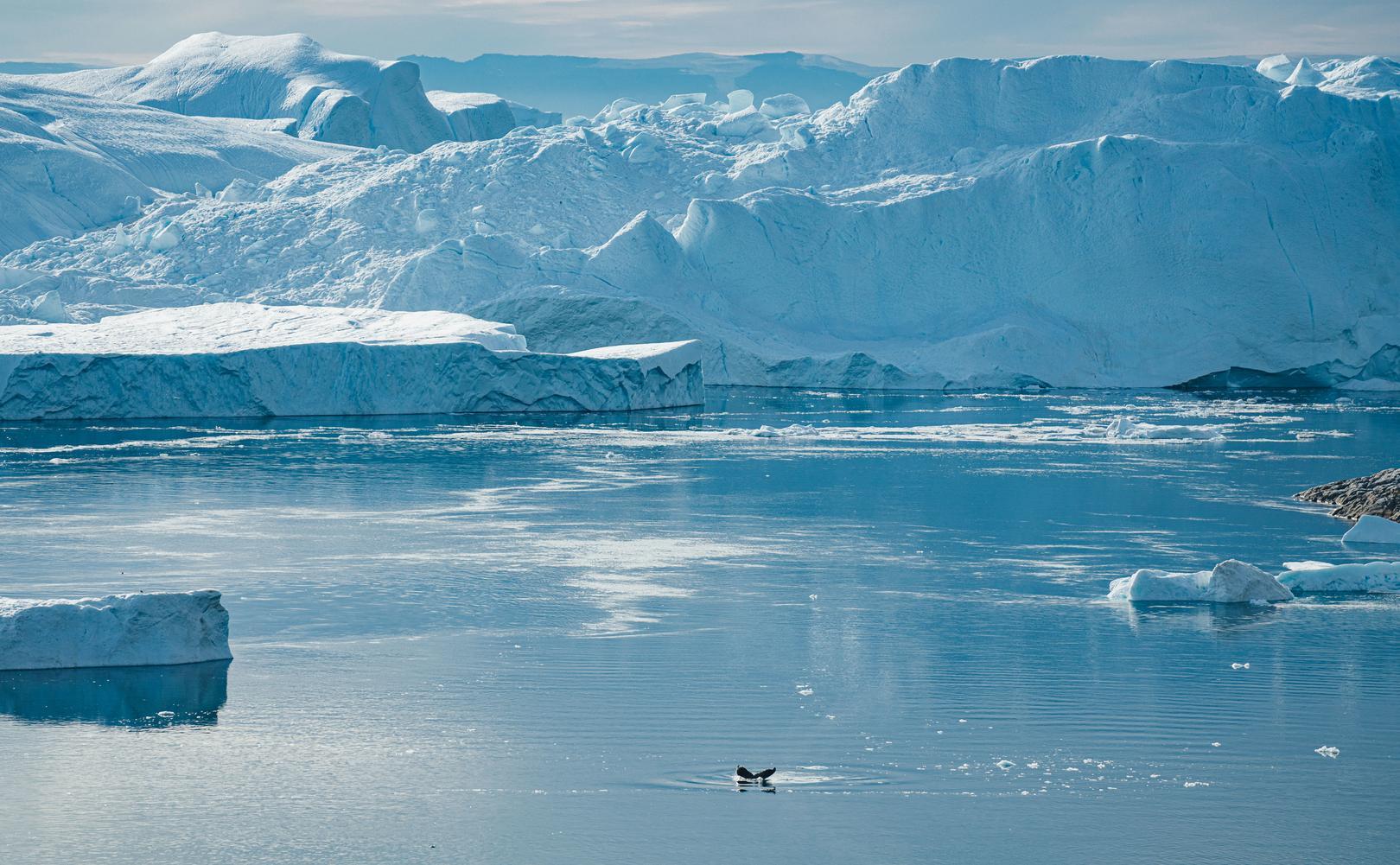
The United Nations Educational, Scientific and Cultural Organization (UNESCO) World Heritage Sites are places of importance to cultural or natural heritage. Their designation means these landmarks or areas are legally protected under an international treaty. Learn more about Kalaallit Nunaat’s UN World Heritage Sites below.