 Learn More About Our Organization

 Continue the Journey of Learning and Impact
 Explore Opportunities in the Sustainable Blue Economy
 Partner with us to support youth and the future of our planet

About Nunatsiavut
History of Nunatsiavut
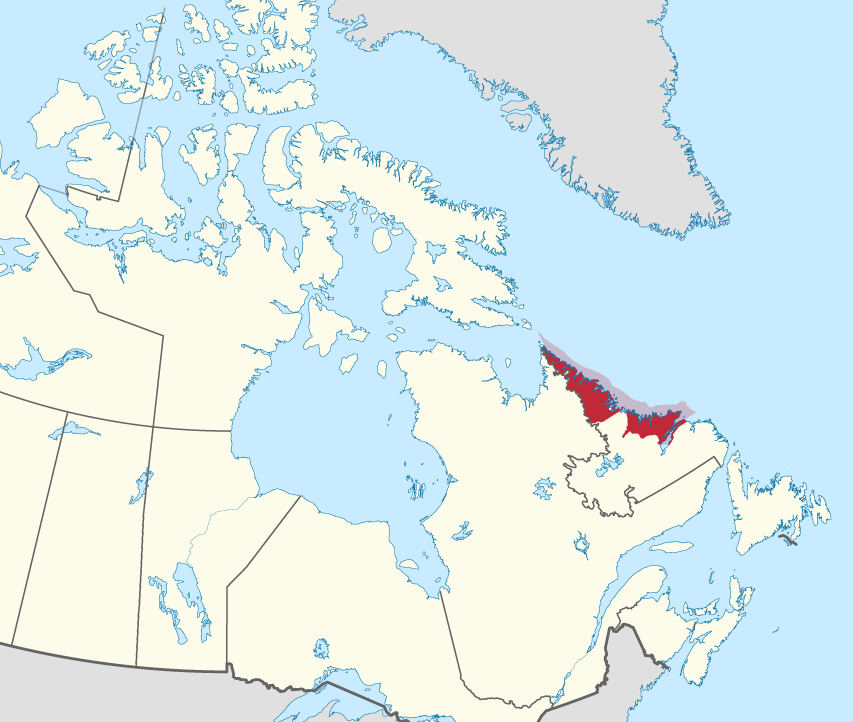
Nunatsiavut, meaning “Our Beautiful Land” in Inuktitut, is the homeland of the Inuit in Labrador and is full of rich culture, history, and stunning natural landscapes where approximately 2,300 Inuit live, primarily in five coastal communities. Today, Inuit communities carry forward traditions, knowledge, and connections to the land and sea that have been passed down for generations. This page includes resources to help you explore Nunatsiavut’s people, culture, language, and environment—giving you a head start on understanding the communities you’ll visit during your expedition.
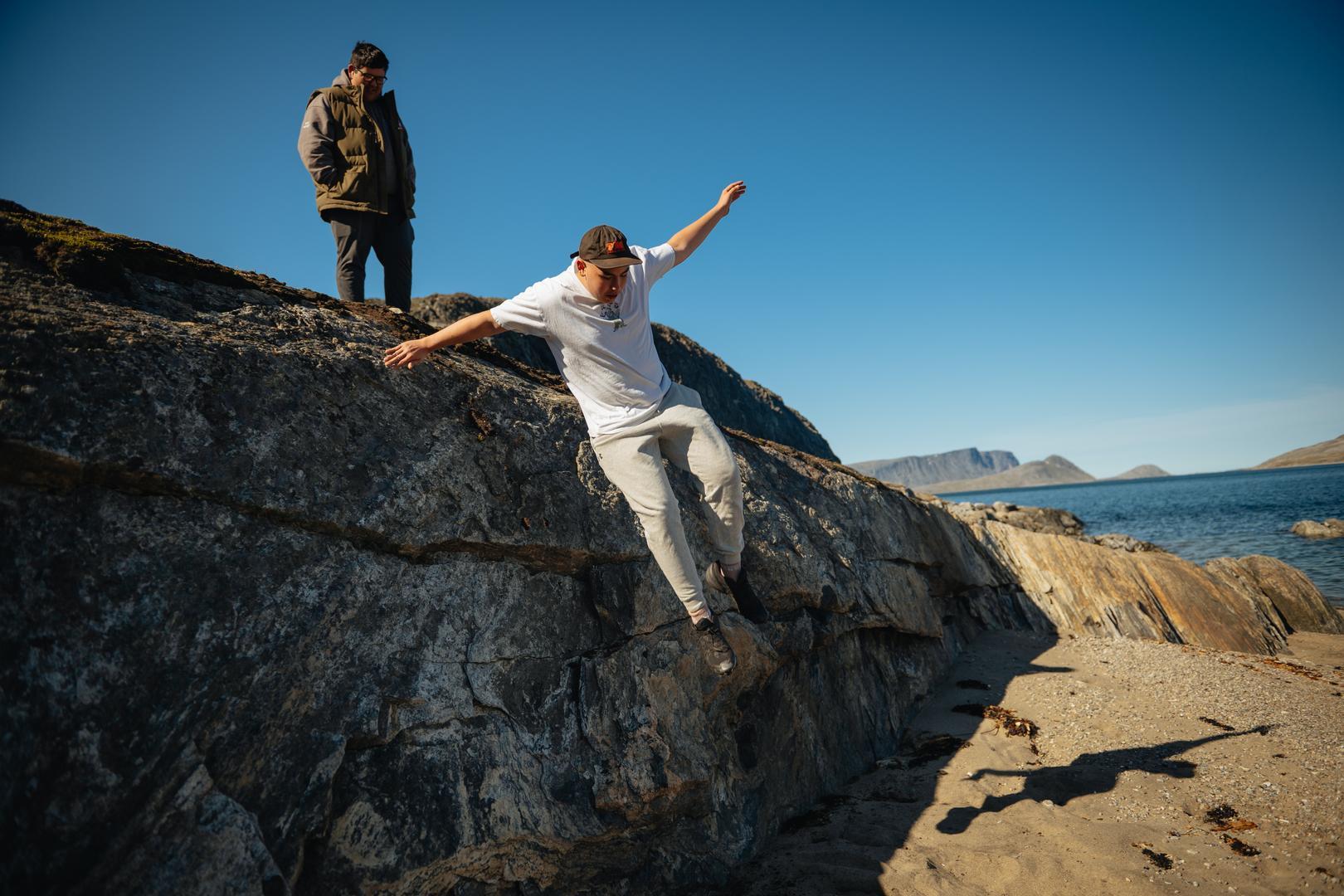
The People of Nunatsiavut
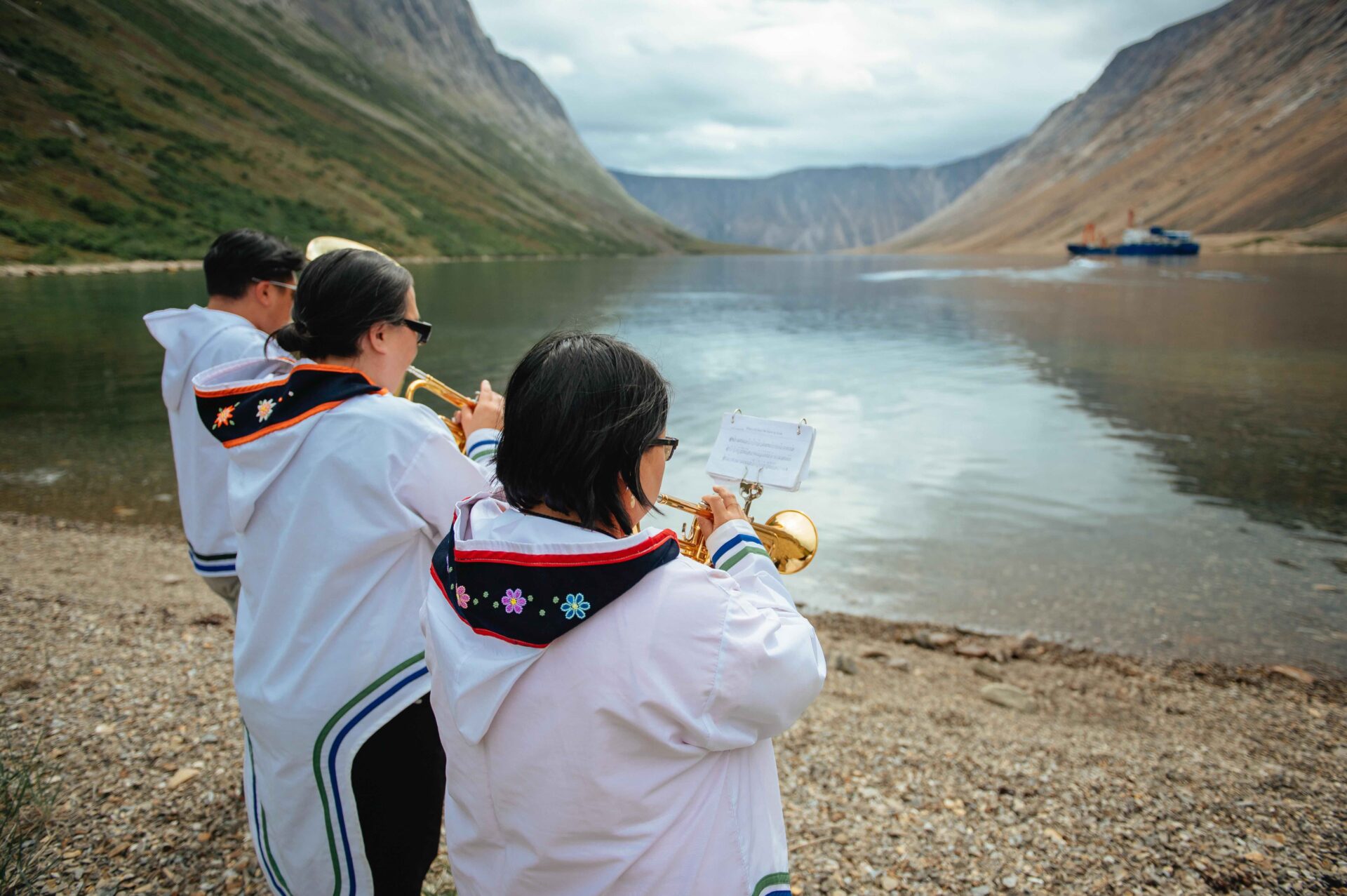
History and Culture
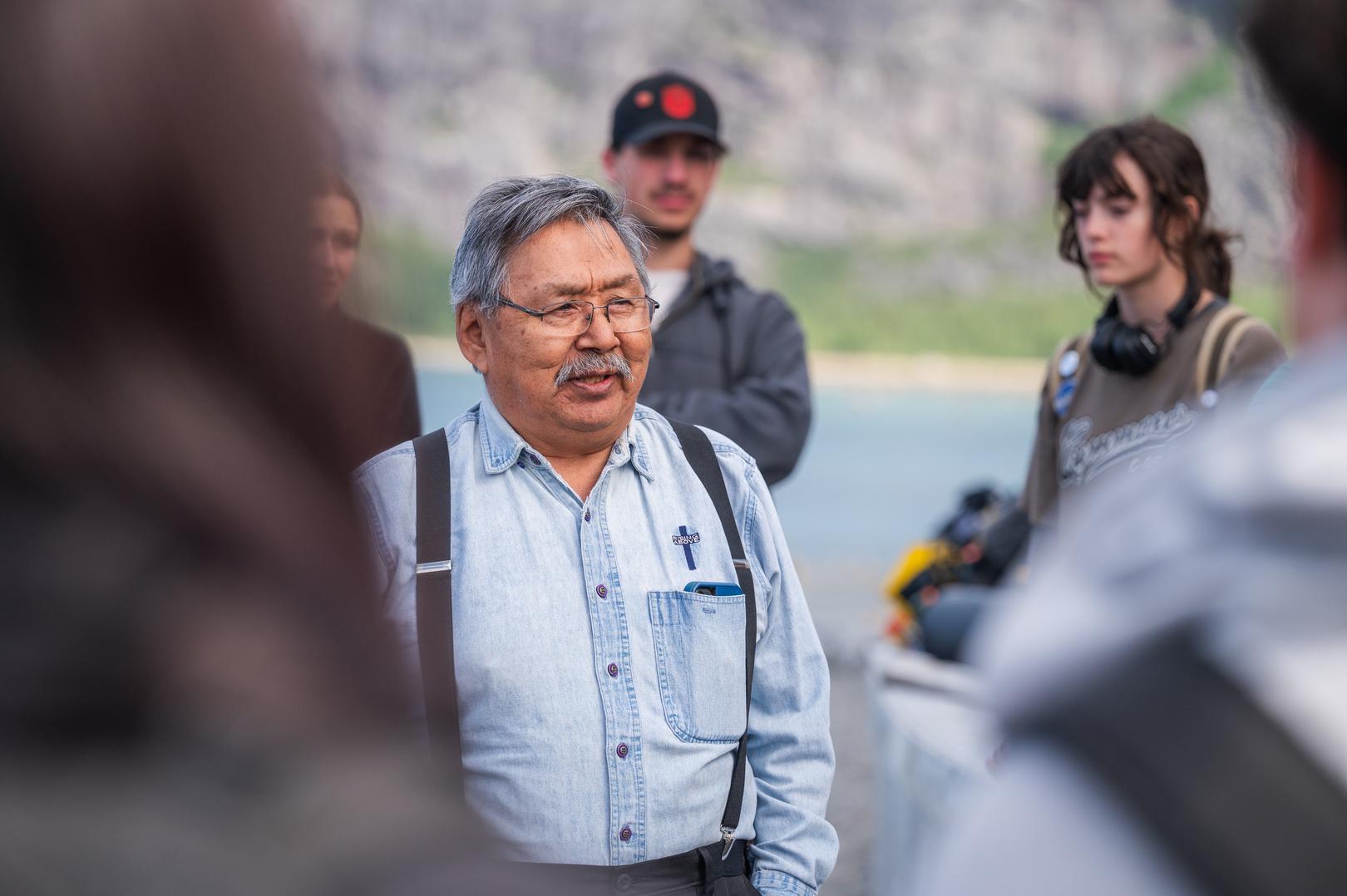
The Route to Self-Government
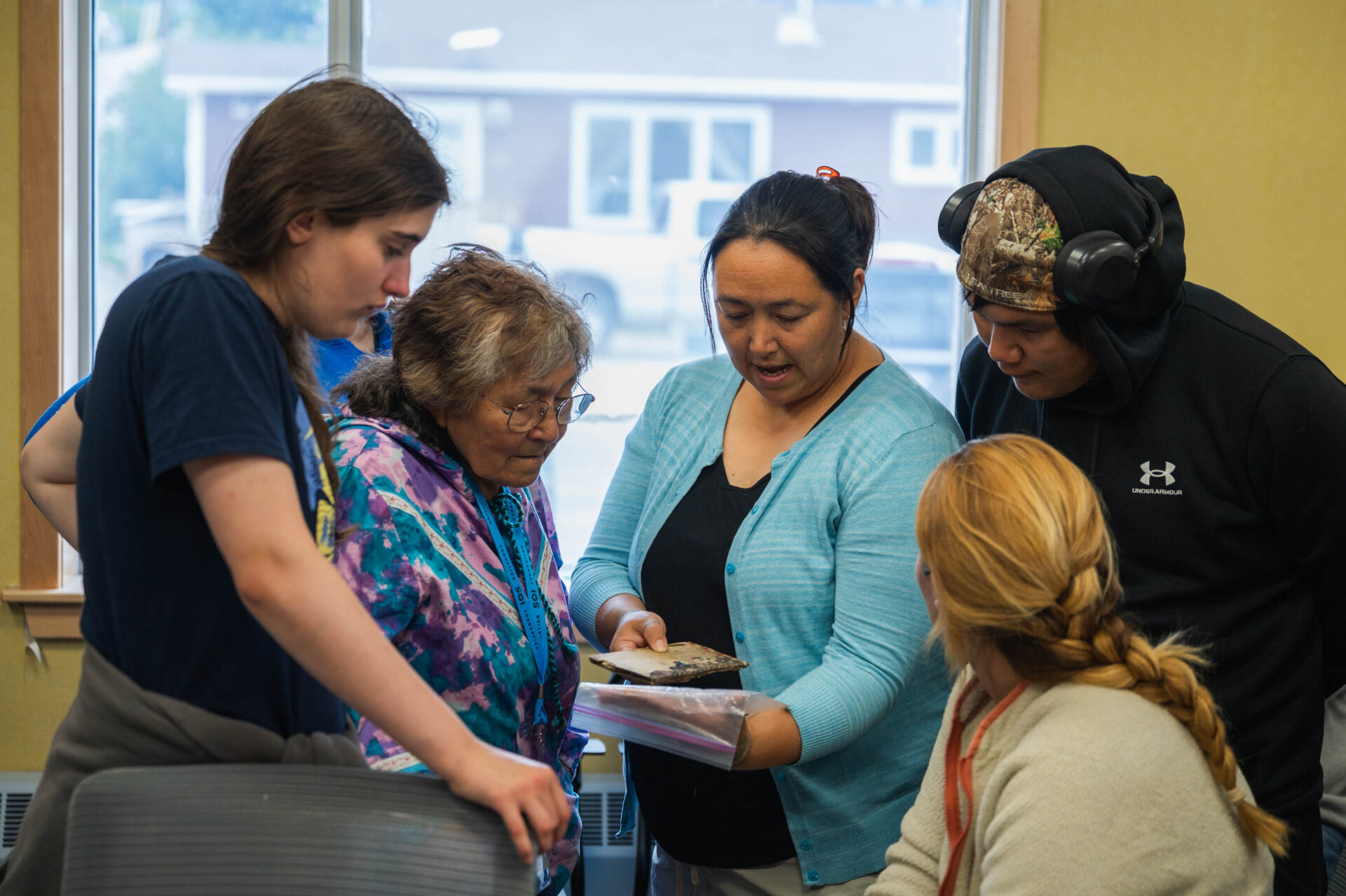
Language
Inuttitut (aka Nunatsiavummiutut) is spoken across Nunatsiavut—it’s just one of several distinct dialects that are prevalent across Inuit Nunangat. You can read more about the Inuktut language at tusaalanga.ca/about-Inuktut and the different Inuktut dialects across Canada at Inuktut Tusâlanga.
As we learn more about these places and the people who call them home, we invite you to learn some of the traditional Inuktut words and phrases that relate to these regions. Here are some words that you may have already seen:
- The word Inuit means “the people’” in Inuktut.
- The singular of Inuit is Inuk.
- Nunatsiavut means “our beautiful land” in Inuttitut.
- Nunatsiavummiut is translated to “people of Nunatsiavut” in Inuttitut, or “people of the beautiful land.”
- The Torngat Mountains National Park takes its name from the Inuttitut word Tongait, meaning place of spirits.
- The proposed marine conservation area called Imappivut means “our Oceans’’ in Inuttitut.
For on-the-go reference, check out the Inuttut Kautamât uKauset (Inuttitut everyday words) app to learn some phrases and expressions in Inuttitut.
Aqvituuq (Hopedale)
Meaning: "Place of whales"
Nunainguk (Nain)
Meaning: "he/she is so far out to sea that he/she cannot see any sign of land"
Marruuvik (Makkovik)
Meaning: “'Vik' is an Inuktut word meaning 'place.' 'Makko' may be a corruption of the word 'maggok,' which means 'two.'”
Qipuqqaq (Postville)
Meaning: "Having scrapes or scratch marks"
Kikiak (Rigolet)
Meaning: "Nail"
Hebron & Okak & Nutak
(The relocated communities of Nunatsiavut)
In Hebron Relocation, Holly Andersen explores what makes a place a home as she learns more about her community’s connection to generations of displaced northern Labrador Inuit.
Conservation in Nunatsiavut
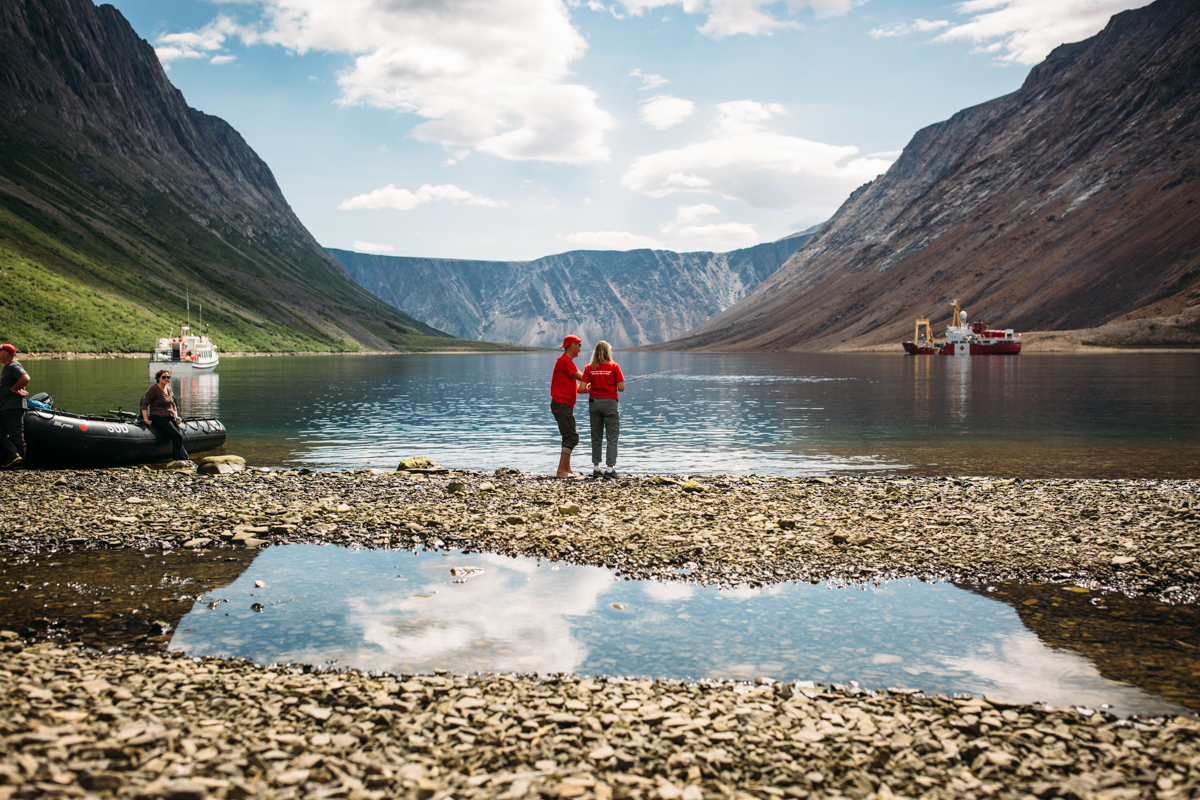
Nunatsiavut is full of amazing wildlife and landscapes, and the people who live here are leading strong efforts to protect them. One of the cornerstones of conservation in the region is Torngat Mountains National Park, a vast protected area co-managed by Inuit and Parks Canada, where Inuit knowledge and culture guide decisions alongside scientific research. The park is home to caribou, polar bears, wolves, and unique Arctic plants.
Another important initiative is Imappivut, a community‑driven program that blends Inuit knowledge with scientific research to watch over wildlife and ecosystems, helping make sure both animals and people can thrive now and in the future. Building on this work, Nunatsiavut and the Government of Canada are also advancing plans for a new Inuit Protected Area/ National Marine Conservation Area next to Torngat Mountains National Park. If established, this marine area could protect up to 17,000 square kilometres of the Labrador Shelf—keeping rich ocean waters and the species that depend on them healthy for generations to come.
On expedition, you’ll learn how these conservation efforts are rooted in local leadership, culture, and care for the land and sea—and how people here are working with partners to protect this special part of the Arctic.