 Learn More About Our Organization

 Continue the Journey of Learning and Impact
 Explore Opportunities in the Sustainable Blue Economy
 Partner with us to support youth and the future of our planet

About Nunavut
History of Nunavut
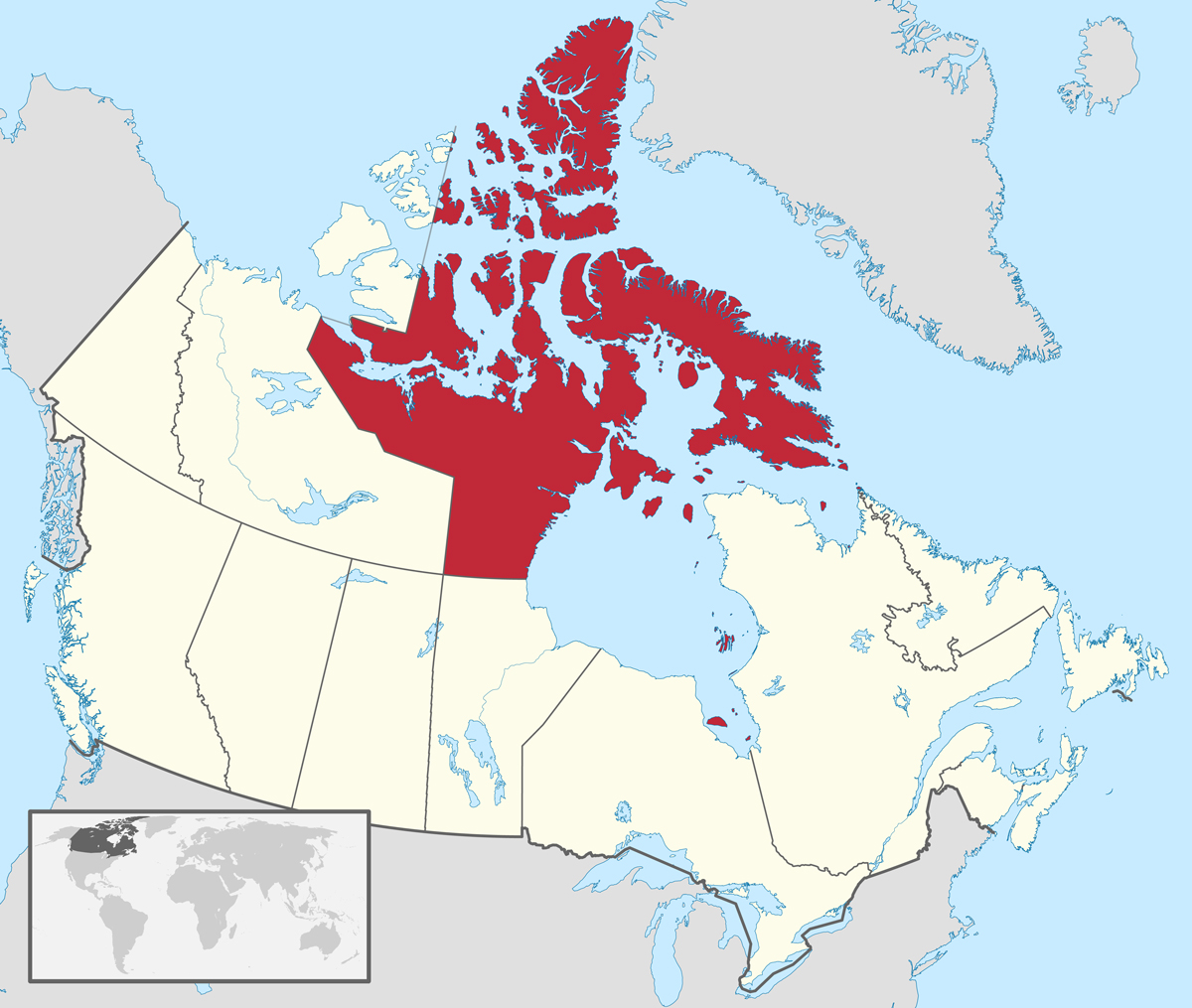
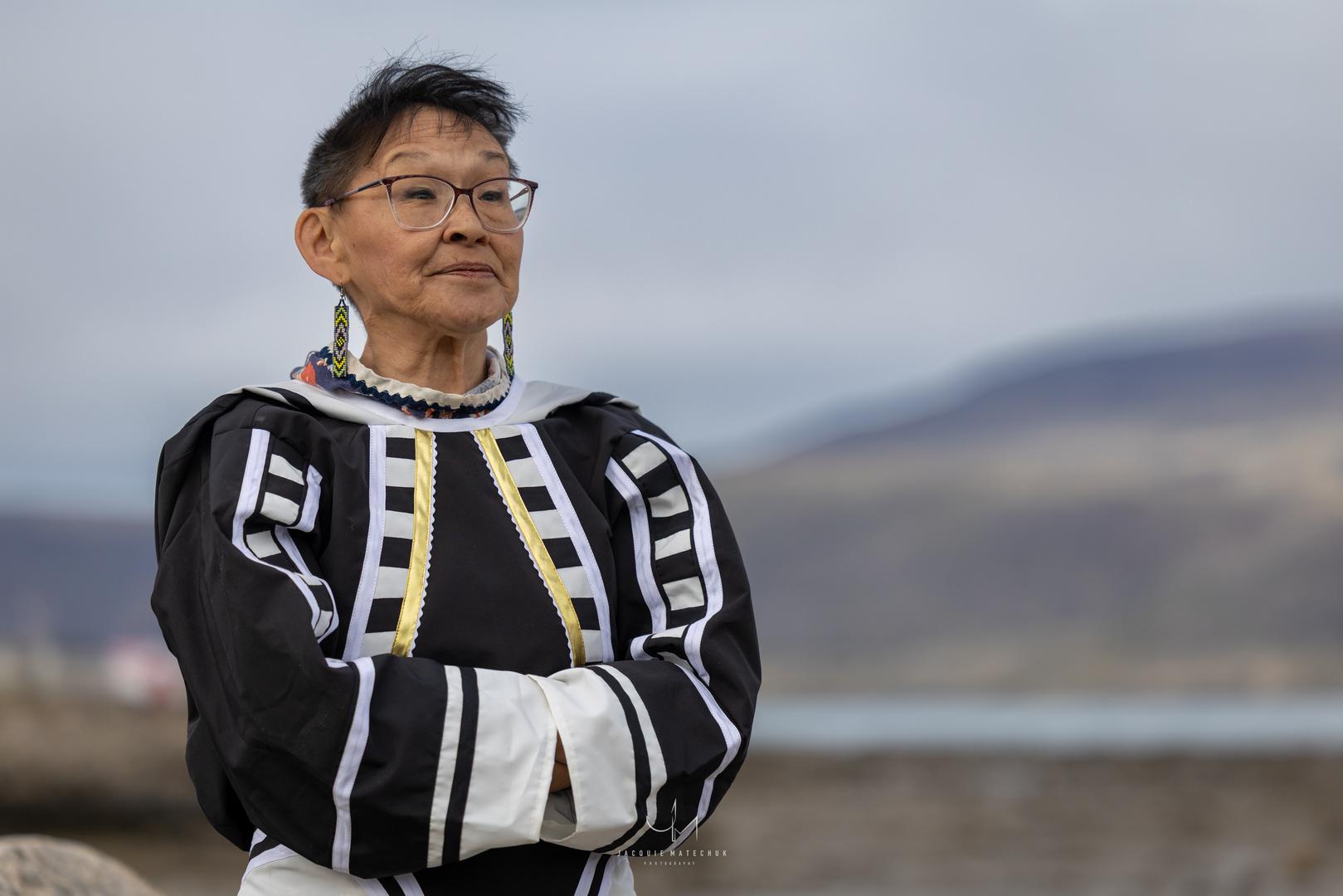
Canada’s newest territory, Nunavut, has been home to Inuit for thousands of years and is rich with history, culture, and deep connections to the land and sea. Today, about 28,000 Inuit live across roughly 25 communities, each with its own stories, traditions, and ways of life. As you get ready for your journey, this page offers links to helpful resources so you can start learning about Nunavut’s people, language, culture, and environment—and better understand the place you’ll be visiting before you arrive.
The People of Nunavut
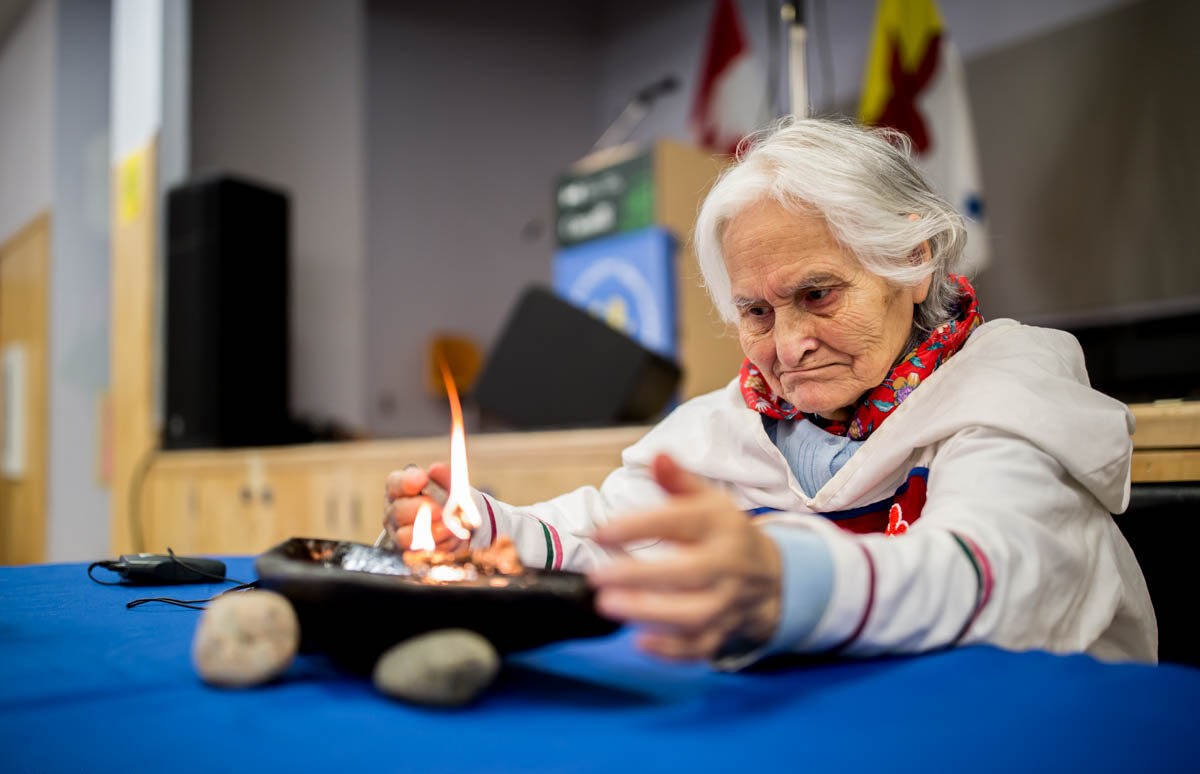
History and Culture
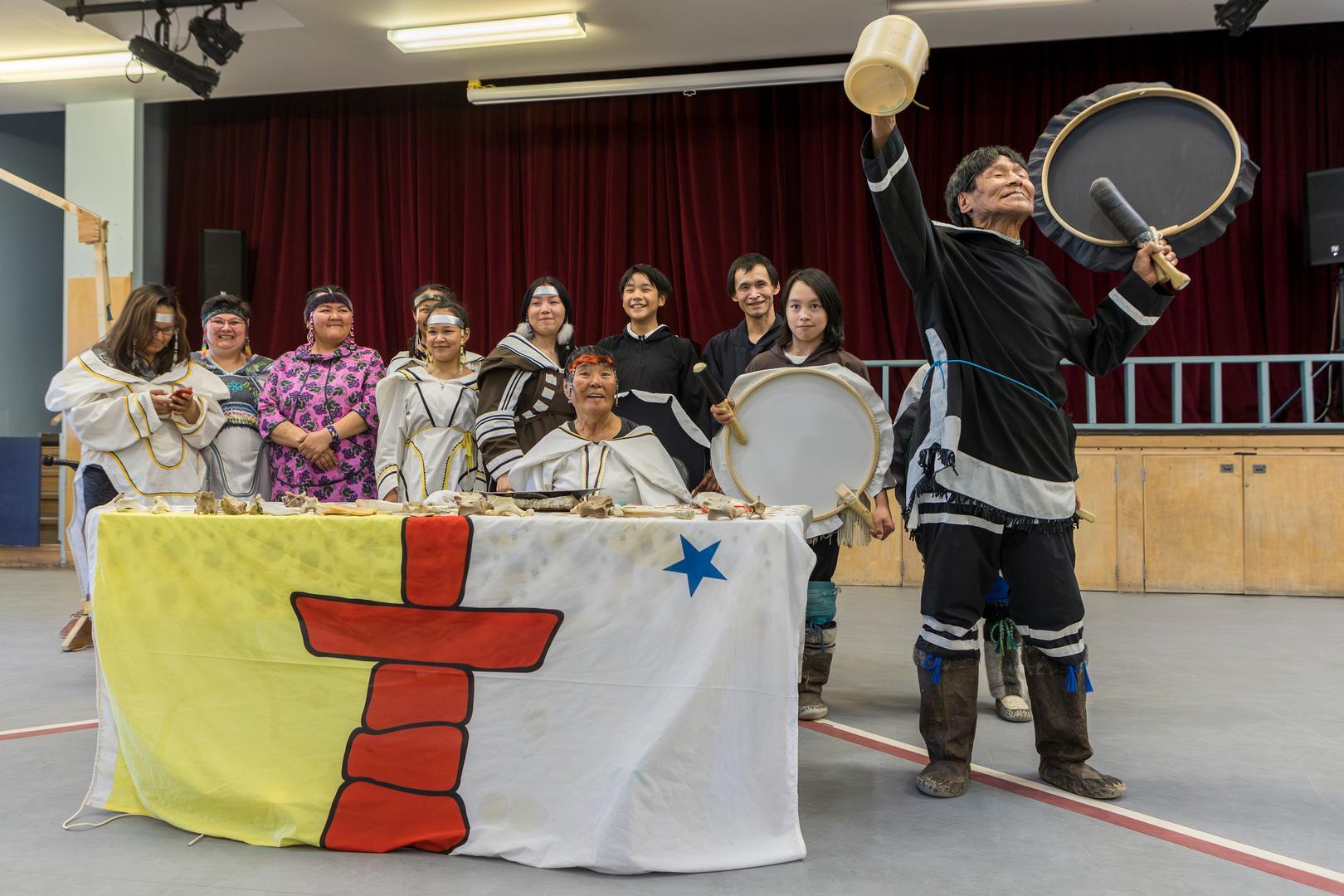
The Route to Self-Government
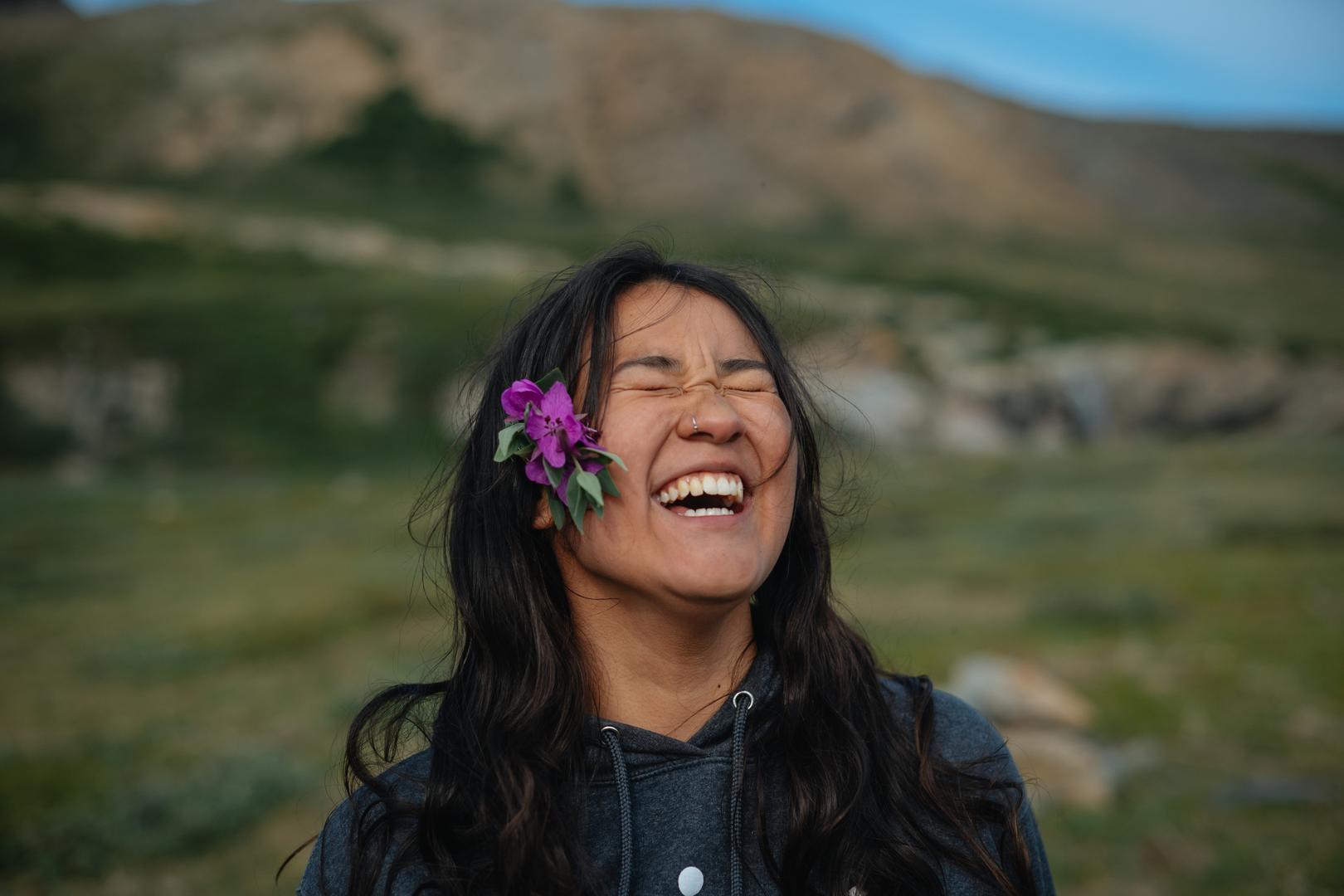
Language
Inuktut is the language of Inuit, spoken across Inuit Nunaat, which includes Greenland, Alaska, and Inuit Nunangat in Northern Canada. The term “Inuktut” is a broad term encompassing a number of other terms for Inuit languages, including Inuktitut, Inuinnaqtun, and Inuvialuktun. Many Inuit may prefer to use one of those other, more specific terms for their own language.
Inuktut is spoken across Nunavut, though several distinct dialects are prevalent in various communities. South Qikiqtaaluk is the dialect spoken in the communities of southern Baffin Island, including the capital, Iqaluit. You can read more about the Inuktut language at tusaalanga.ca/about-Inuktut and the different Inuktut dialects across Canada at Inuktut Tusâlanga.
As we learn more about these places and the people who call them home, we invite you to learn some of the traditional Inuktut words and phrases that relate to these regions. Here are some words that you may have already seen:
- Nunavut means “our land” in Inuktitut.
- The word Inuit means “the people” in Inuktut.
- The singular of Inuit is Inuk.
- “Thank you” in the South Qikiqtaaluk dialect of Inuktitut is nakurmiik [nah – koor – MEEK]
Visit Inuktut Tusâlanga to learn some phrases and expressions in Inuktut. You can also use this site to explore pronunciation in more detail and switch between dialects. If you want to dive even deeper, explore the Inuktut lessons on the site too.
With a population of over 36,000 people spread across 25 communities, Nunavut is Canada's northernmost territory. Learn more about the diverse and vibrant communities that reflect the rich cultural heritage of the Arctic region below. Both the English and Inuktut names are listed below.
Iqaluit
Meaning: "Place of many fish"
Kangiqliniq (Rankin Inlet)
Meaning: "Deep bay"
Arviq (Arviat)
Meaning: "Place of the bowhead whale"
Qamani'tuaq (Baker Lake)
Meaning: "Where the river widens"
Iqaluktuuttiaq (Cambridge Bay)
Meaning: "Good fishing place"
Kanngiqtugaapik (Clyde River)
Meaning: "Nice little inlet"
Pangniqtuuq (Pangnirtung)
Meaning: "Place of bull caribou"
Qurluktuk (Kugluktuk)
Meaning: "Place of moving water"
Mittimatalik (Pond Inlet)
Meaning: "The place where the landing place is"
Qausuittuq (Resolute)
Meaning: "place where the sun doesn't rise"
Conservation in Nunavut
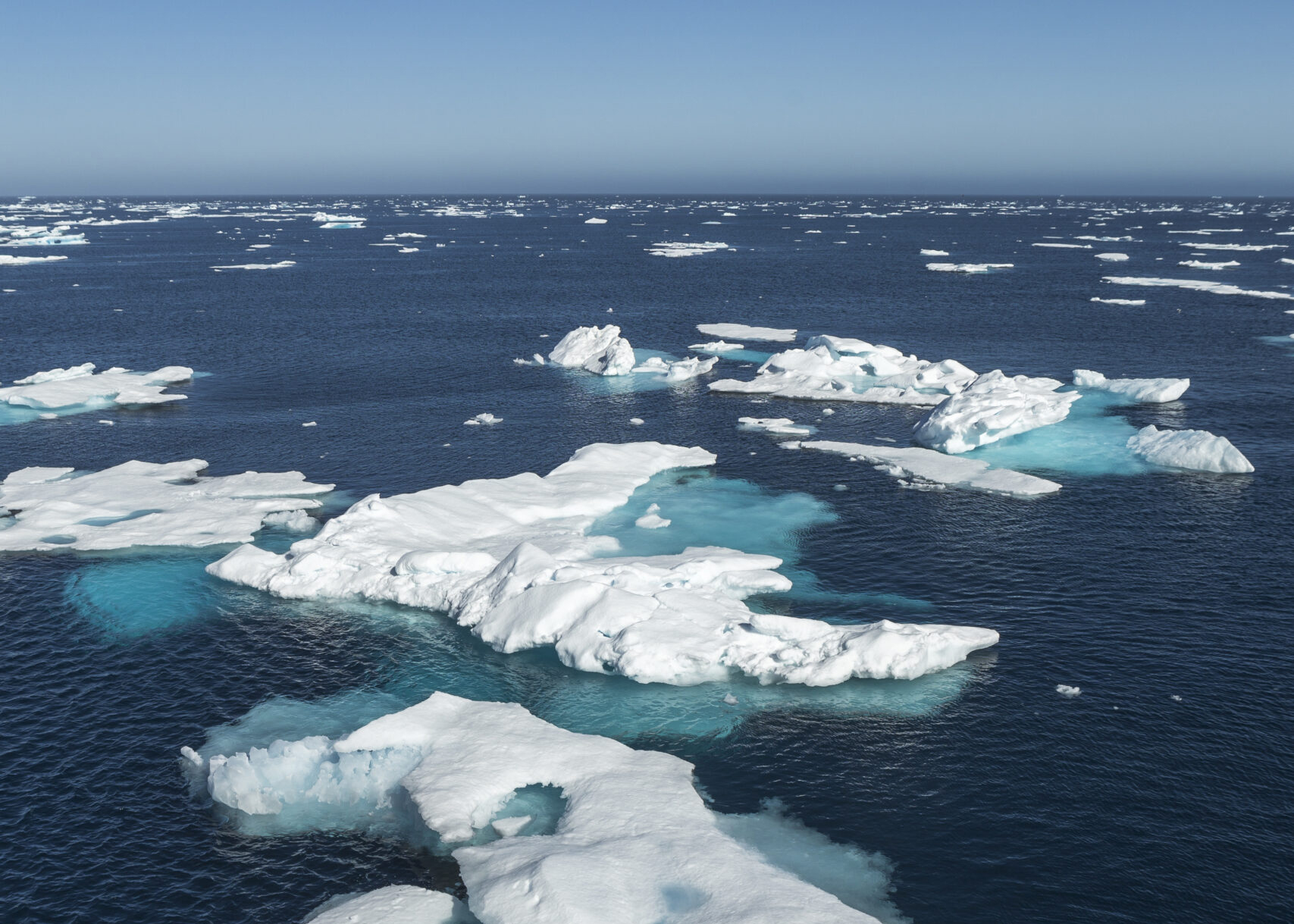
Nunavut is a place of stunning natural beauty, and many people and communities are working hard to protect its land, ocean, and wildlife for future generations. One of the largest conservation success stories is Tallurutiup Imanga—a massive marine protected area where Inuit partners and the Government of Canada worked together to safeguard rich waters full of narwhal, polar bears, seals, and seabirds. Another important area is Sarvarjuaq, which is the Canadian side of the North Water Polynya located in northern Baffin Bay, between Canada’s Arctic Archipelago and Greenland (which refers to the area as Pikialasorsuaq). It is a vital zone of rich ocean life that supports important wildlife and Indigenous food systems, and communities are working to ensure it stays healthy for people and animals alike.
Across Nunavut, Inuit-led initiatives like Nauttiqsuqtiit are helping shape what conservation looks like on the ground and on the water. These stewardship programs blend Inuit knowledge with science to monitor ecosystems, care for species, and guide sustainable decision-making. On this expedition, you’ll learn how community-driven conservation helps protect the North’s incredible biodiversity while supporting culture, food security, and connection to the land and sea.
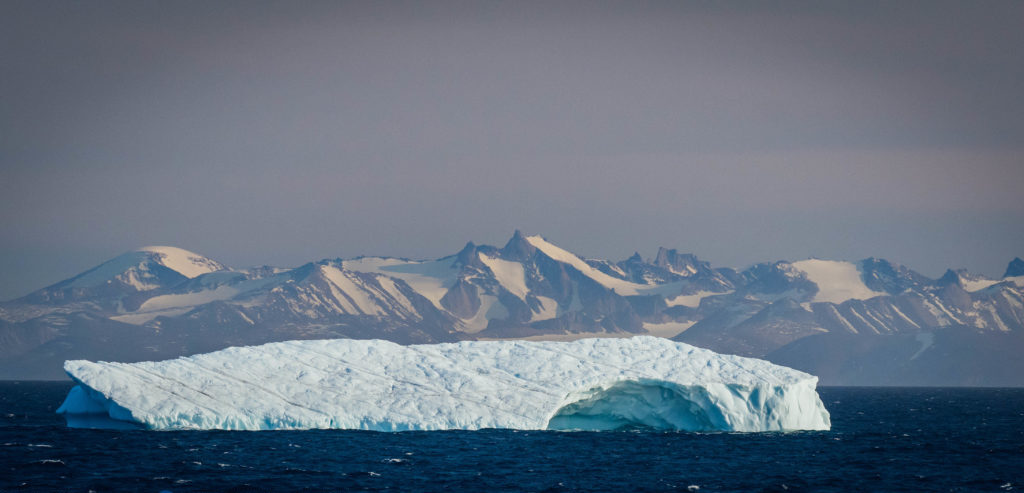
Nunavut's Potential UNESCO World Heritage Site
There are no current UNESCO World Heritage Sites in Nunavut, but there is one site on Canada’s Tentative List for UNESCO World Heritage status: Quttinirpaaq National Park, a large park just 720 km from the North Pole on Ellesmere Island that features glaciers and mountains.