




ECOP Canada Ambassador Program: Year One Wrap-Up
In 2025, ECOP Canada launched its first Ambassador Program. The purpose is to support early-career ocean professionals across the country as they advance their work, strengthen their networks, and contribute to Canada’s Sustainable Blue Economy. In this inaugural year, the program:
- Supported 18 ambassadors across Canada;
- Distributed CA$28,750 directly to ECOP-led activities including conferences, projects, and community initiatives; and
- Reached more than 10,000 people through ambassador-led events, presentations, workshops, and digital storytelling.

Overview
The Ambassador Program was created to provide ECOPs with micro-grants of up to $2,000 to support conference participation, community initiatives, project development, and professional growth. Ambassadors represent ECOP Canada at national and international forums, giving them opportunities to participate in key decision-making spaces, build professional networks, and strengthen their leadership capacity. The intent is to ensure that ECOPs have the access and resources needed to participate meaningfully in the ocean sector, especially in spaces that can be inaccessible due to financial or institutional barriers.
The impact of this program is best demonstrated through the work and experiences of the ambassadors. Their contributions spanned classrooms, conference halls, coastal communities, and global policy spaces and their impact is what we would like to highlight below.
Multilingual Workshop on Ocean Literacy
In Toronto, Dev Katyal reached 127 underrepresented youth through multilingual, culturally responsive ocean-literacy workshops. Recognizing that accessibility is essential, he adapted his approach for inclusivity and accessibility of the different languages represented. He recruited a local high school student fluent in Urdu, used live translation tools in Google Slides, and created QR-code-based worksheets to provide real-time translation. Feedback from 103 participants demonstrated the effectiveness of this approach: 94% learned a new marine species, 87% felt more confident discussing ocean issues, and 78% reported this was their first-ever ocean-learning experience. Operating on a budget of $750 and without much assistance, Dev mobilized volunteers, partnered with local organizations, and delivered a high-impact, low-cost model for community engagement that can be replicated nationwide. His work shows that meaningful ocean literacy begins with accessibility and inclusive design.
ECOP Canada on the Global Stage

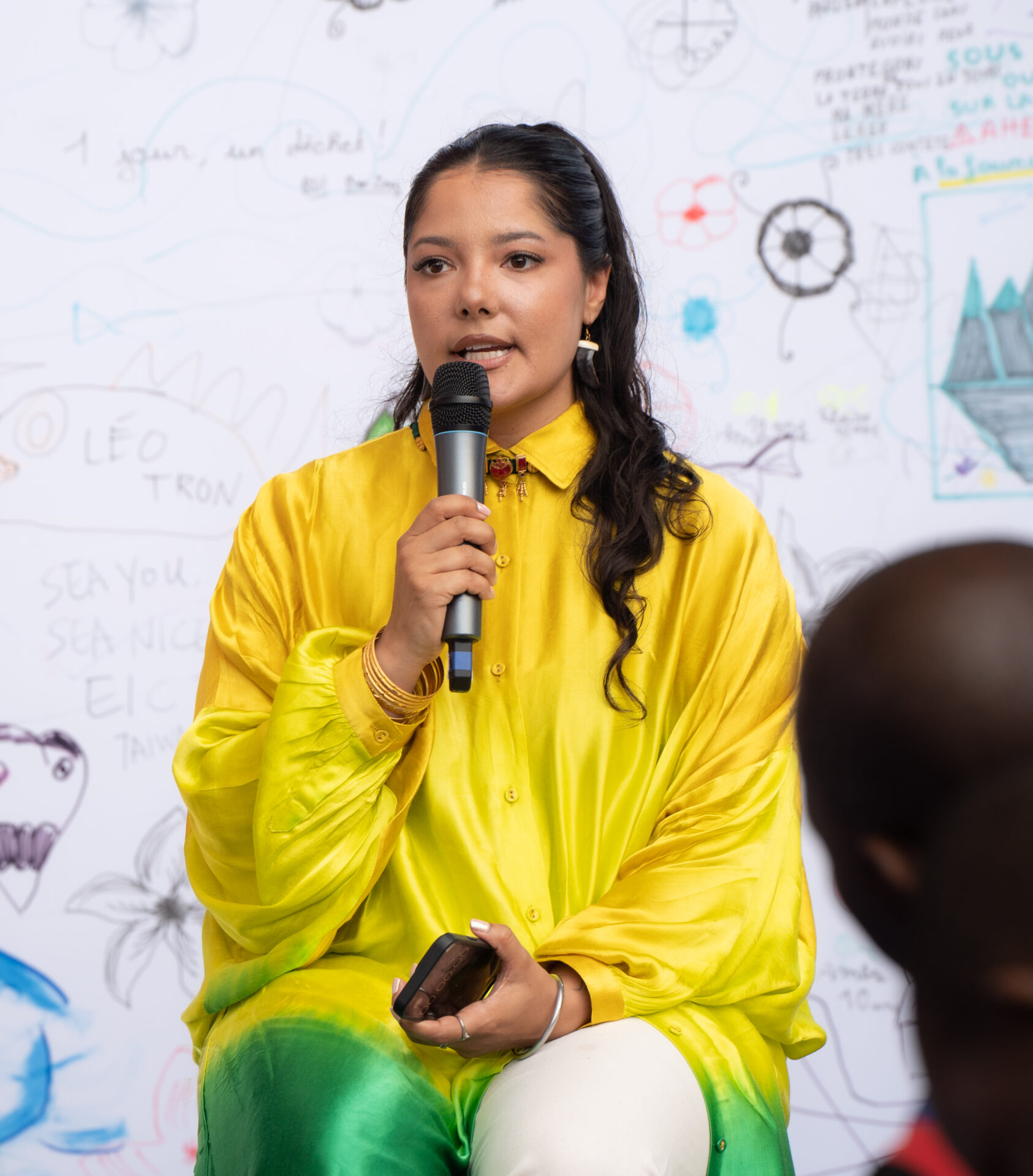
Others brought ECOP Canada’s voice to the global stage. Jasleen Jawanda spoke on three international panels, navigating complex topics before global audiences and developing her public speaking. Her engagement at these events allowed her to connect with fellow ECOPs worldwide, brainstorm collaborative projects, and build mentorship relationships that continue beyond the conference. She was invited to join Earth Minutes UK media team for an in-person interview and became part of the Women in Climate public speaking network.
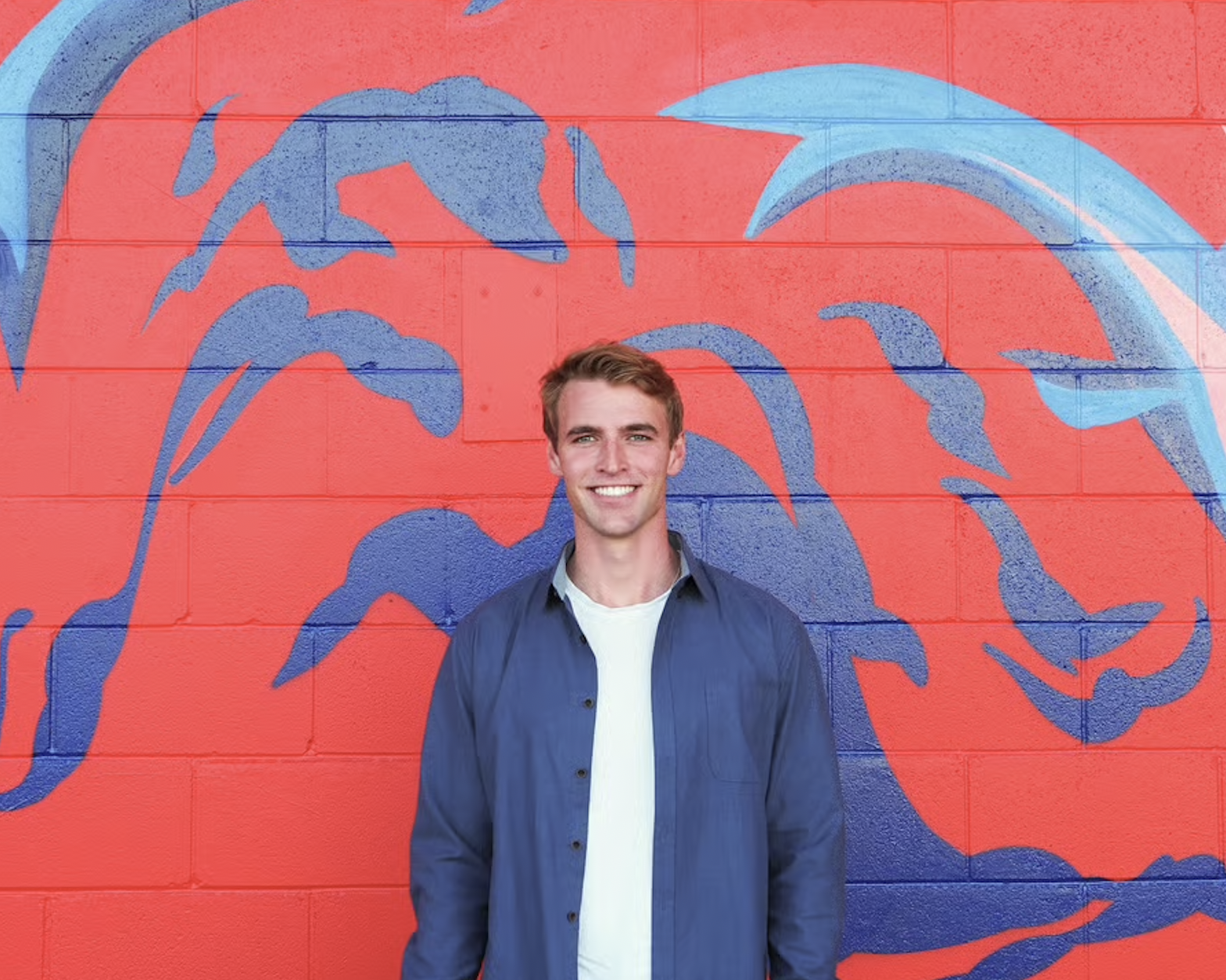
Similarly, Alexander Dungate engaged directly with policymakers, investors, and innovators at Monaco’s Blue Finance Forum and Vivatech, contributing insights on how early-career ocean professionals can bridge the gap between innovation and implementation.
Johannah Brockie and Kara Guloien attended the UN Ocean Conference and related events, navigating fast-paced, high-pressure international policy environments. Both emerged with increased confidence, deeper understanding of international processes, and greater understanding of the importance of mentorship for ECOPs in future delegations to have the skills and confidence to navigate international spaces. These ambassadors demonstrated that when ECOPs are prepared and supported, their contributions on the international stage are meaningful and recognized.
Public Engagement and Storytelling

Some ambassadors focused on public engagement and storytelling. Moronke Harris brought deep-sea exploration to OceanFest at Startup Fest, speaking on how space-inspired technologies are accelerating ocean innovation. She delivered a closing keynote challenging audiences to embrace bold, imaginative leadership in the blue economy. Her presentations bridged science, business, and innovation, resonating with organizers, funders, and attendees.
Kaeleigh McConnell spent her summer scuba diving Nova Scotia’s coastline, documenting the intertidal zone and building digital platforms to share these stories. She rebranded her Instagram and developed a website to showcase photo essays, blog posts, and conservation content, emphasizing local cold-water environments. Her posts had a tenfold increase in reach and people seeing her work, building momentum for a career in underwater photography and marine communications.
Ocean Sector Research and Mentorship

Other ambassadors strengthened research and mentorship in the ocean sector. Jessica Steele presented her Master’s research at IASNR 2025, engaging in discussions around the co-production of knowledge and Indigenous knowledge systems, reflecting on how to conduct equitable research as a non-Indigenous scholar.

Grace Melchers attended her first international conference, stepping into roles as both researcher and mentor. She navigated complex logistics to organize an ECOP social for over 40 attendees, learning the value of flexibility, collaboration, and leveraging peer expertise. Orianna Smy presented her marine plastics research at the Coastal Zone Canada Conference and reflected thoughtfully on systemic barriers facing early-career professionals, including volatile funding cycles and hidden costs of participation. Her insights provide a roadmap for making future ambassador cohorts more accessible and equitable.
Conclusions and Looking Ahead
These experiences reflect a cohort that contributed across different dimensions of the ocean sector. Their work expanded access to ocean literacy in underserved communities, strengthened engagement in international policy discussions, amplified local coastlines through storytelling, deepened research networks, and highlighted the importance of equitable access to professional development opportunities. This first year demonstrates that targeted support for ECOPs leads to widespread impact, achieved through high-engagement, community-focused work.
Launching this pilot program has also provided important insights for future development. The flexible application and reporting processes were well received and contributed to broad national participation. However, demand for support exceeded available funding, and regional engagement gaps remain. Ambassador feedback emphasized the importance of clearer grant timelines, earlier cohort coordination before conferences, and increased support for mid-career transitioners and international collaboration. ECOP Canada remains committed to strengthening and expanding this program so that ECOPs across the country have the tools, visibility, and support needed to thrive. This first year has shown what is possible when early-career professionals are equipped to participate fully in the ocean sector, and our intention is to build on this foundation in the years ahead.
Thank you for your support
As we look ahead and implement the lessons and feedback from this pilot, we recognize that this year’s program would not have been possible without the dedication of our ambassadors, the support of our funding partners, especially Canada’s Ocean Supercluster, and the collaboration of organizations and community members who helped bring these projects, events, and initiatives to life. Their commitment has helped create more accessible pathways for early-career ocean professionals, and we are grateful for the collective effort that made this pilot year a success.
Watch a short video featuring our ECOP Canada Manager Volita Yego, talking about the work we are doing: