 Learn More About Our Organization
 We Inspire Youth to Create a Sustainable Future
 Continue the Journey of Learning and Impact
 Explore Opportunities in the Sustainable Blue Economy
 Partner with us to support youth and the future of our planet

Ocean and Coastal Community Health
Monitoring Coastal Health
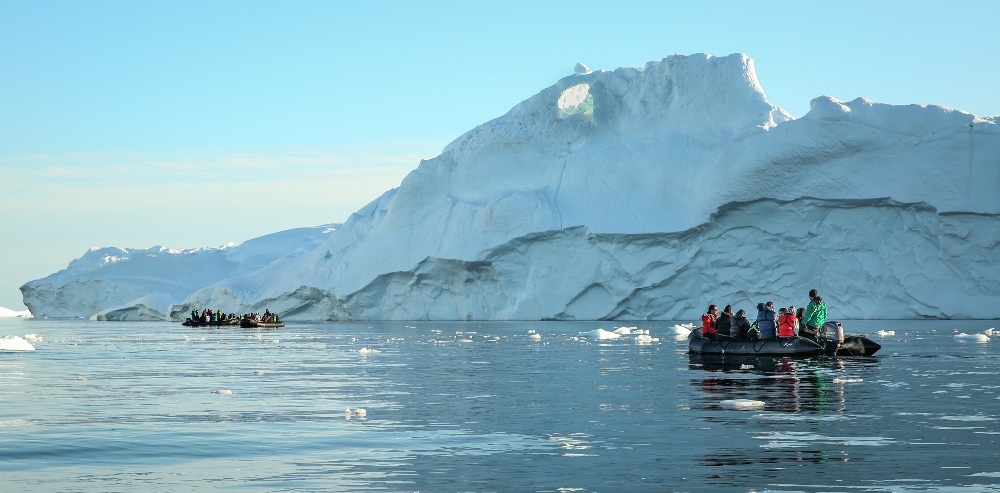
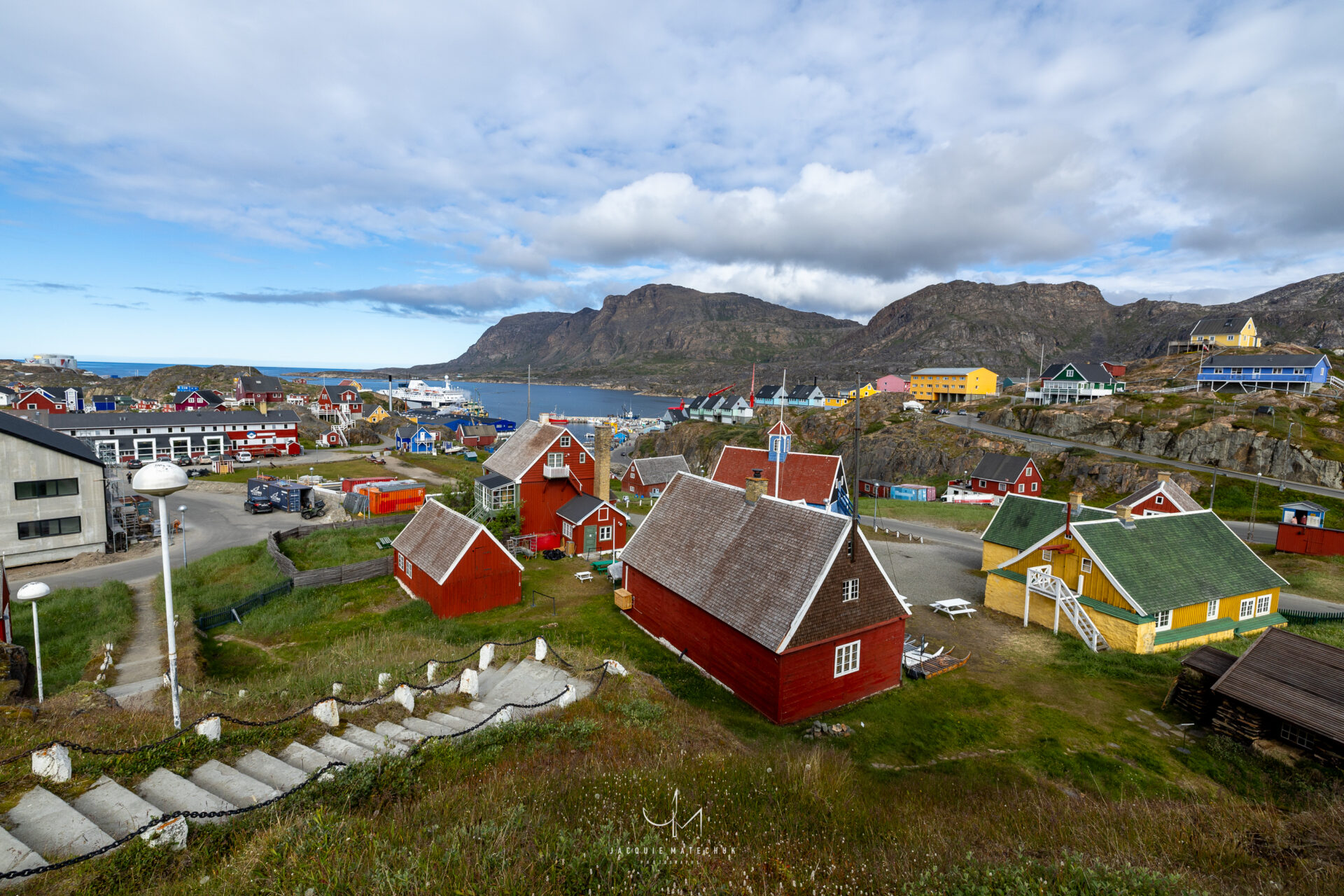
Through immersive and hands-on experiences with communities and leaders, we will see first-hand what is being done in Kalaallit Nunaat and Nunavut to monitor coastal health. These opportunities will demonstrate sustainable management approaches and provide tangible examples of the education and career opportunities available to the next generation. A big part of ocean and coastal health is related to ocean conservation.
Do you think that ocean conservation matters?
Here are some facts that might help you consider your answer:
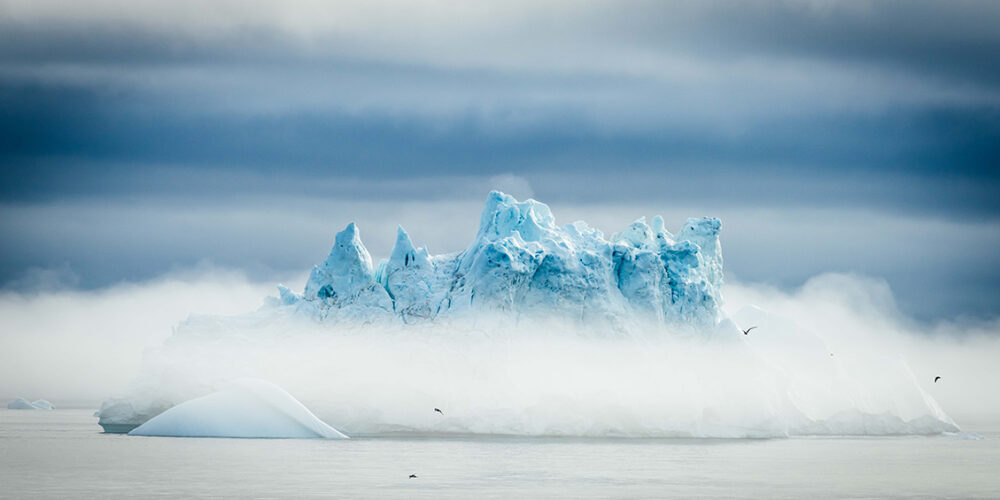
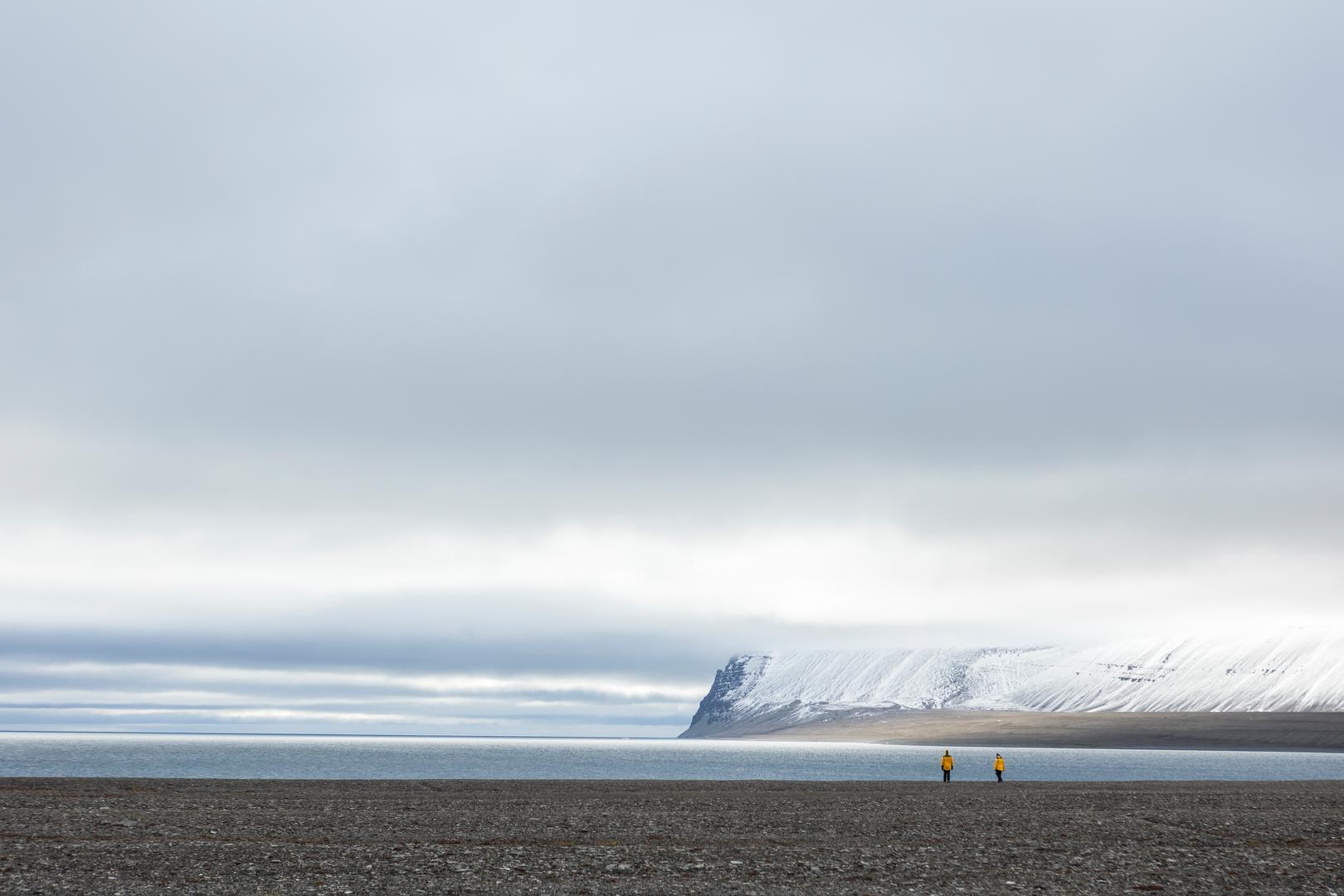
Canada’s Marine Conservation Strategy
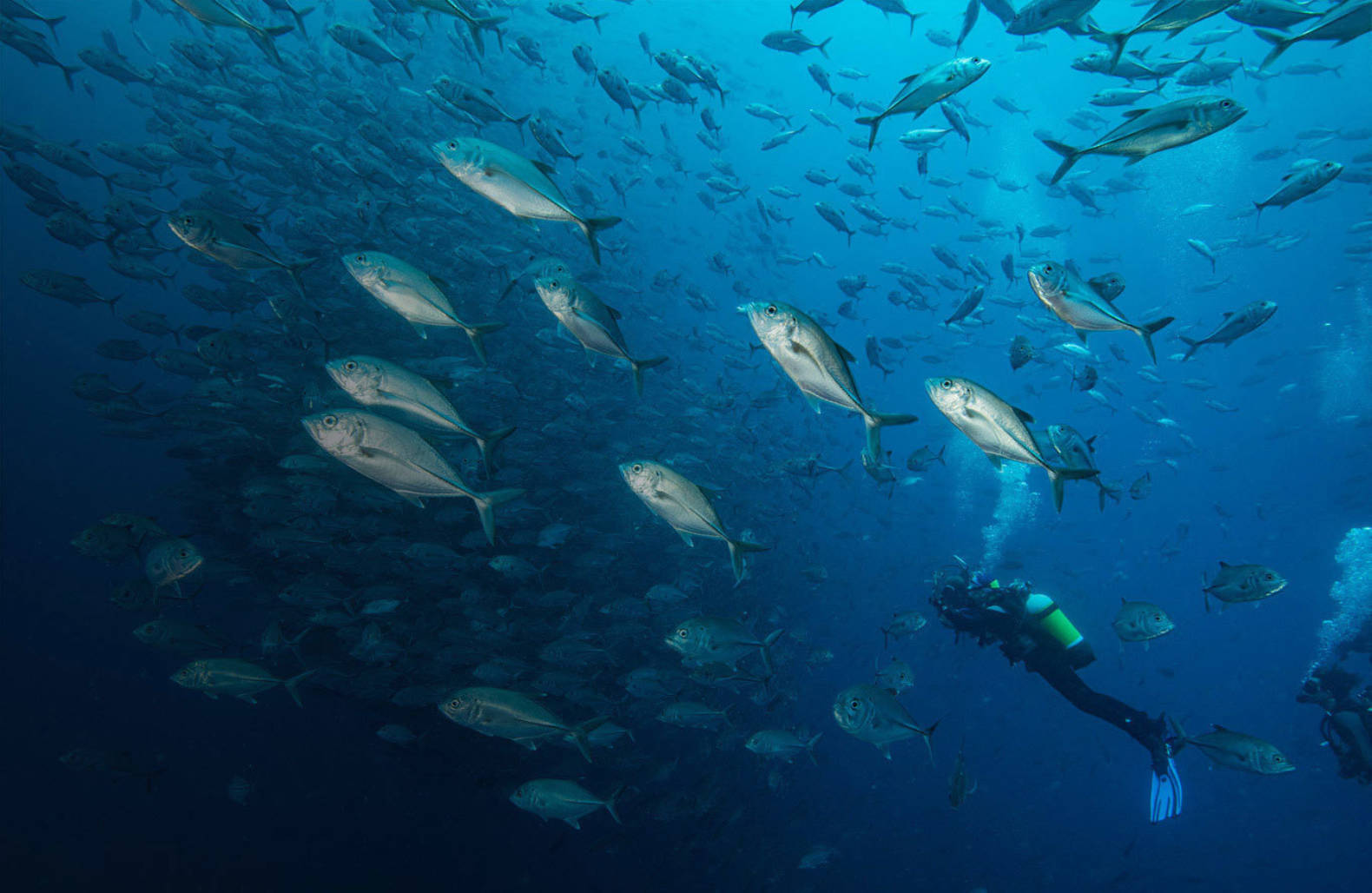
- Canada, with over 243,000 km of coastline along three oceans, has the longest coastline in the world.
- As of today, almost 14% or 795,000 km2 of Canada’s marine areas are conserved through a variety of measures, including marine protected areas (6.1%), other effective marine conserved areas (4.9%), national marine conservation areas (2.0%), and national parks (0.2%).
- The proposed Aviqtuuq Inuit Protected and Conserved Area (IPCA) covers almost 90,000 Km² of marine, terrestrial, and freshwater ecosystems in Nunavut.
- At 108,000 Km², approximately the size of Nova Scotia and New Brunswick combined, the Tallurutiup Imanga National Marine Conservation Area (MCA) is Canada’s largest body of protected waters.
- In 2019, Nunavut’s Tuvaijuittuq Marine Protected Area (MPA) off Ellesmere Island received interim status, making it the largest Canadian MPA. It covers 319,411 Km² of the Arctic Ocean – the same size as Italy!
Read more about Canada’s marine conservation strategy below.
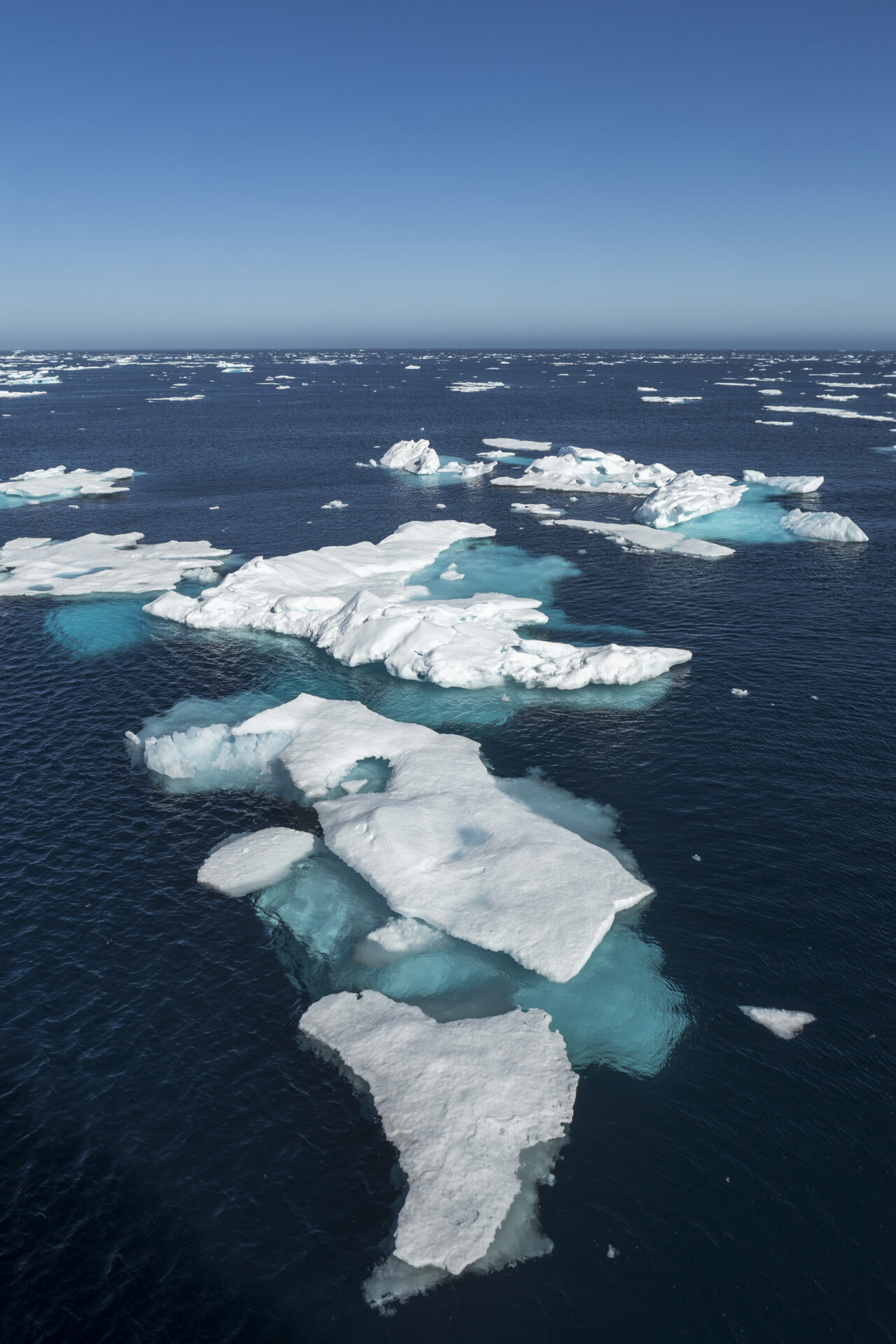
The North Water Polynya, or Pikialasorsuaq to Inuit in Greenland and Sarvarjuaq to Inuit in Canada, is one of the most biologically productive marine areas north of the Arctic Circle and recognized internationally for its ecological significance. For millennia, it has been vital for the subsistence of all adjacent Inuit communities.
Although a promise was made in 1983 by both Denmark and Canada to cooperate in protecting “the waters lying between Canada and Greenland” in northern Saknirutiak Imanga (Baffin Bay), they have not been given any formal protection.
In 2023, Greenland and Canada signed a letter of intent to work towards protecting this critical 85,000-square-kilometre region in what would be the world’s first bilateral marine protected area. This follows the 2016 Inuit-led Pikialasorsuaq Commission, which recommends Inuit self-determination in managing and preserving this ecologically and culturally significant region for the benefit of current and future generations.
Climate Change
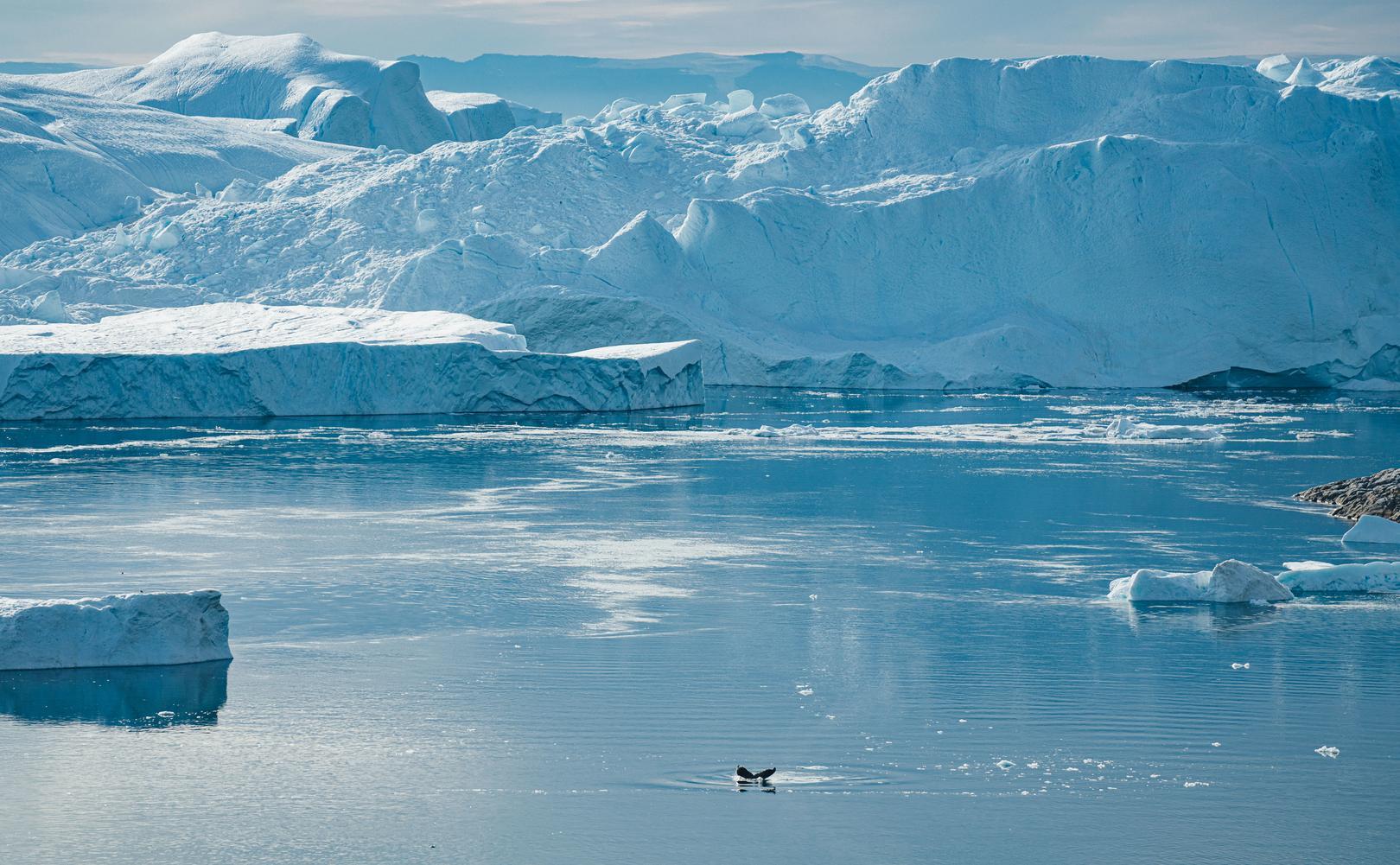
We recognize that climate change poses a particular challenge to Canada’s ocean ecosystems. As ocean waters warm, fish populations are expected to migrate northwards and new spawning grounds may need protected status. The abundance and mix of species is expected to change, affecting fisheries. This change also affects when and how ice forms in the Arctic, and impacts people who use the ice for travel and their way of life.
As we embark on this journey, watch the videos below to learn more about how the changing climate is affecting the people, places, and livelihoods in the North, and how it is affecting traditional knowledge systems.
Learn more about climate change impacts on the people and environment of Nunavut by visiting climatechangenunavut.ca.


Climate change adaptation in Eastern Nunavut
Elder Joanasie speaks to youth about climate change