



The Power of Mentorship at Sea: North-to-North 2026
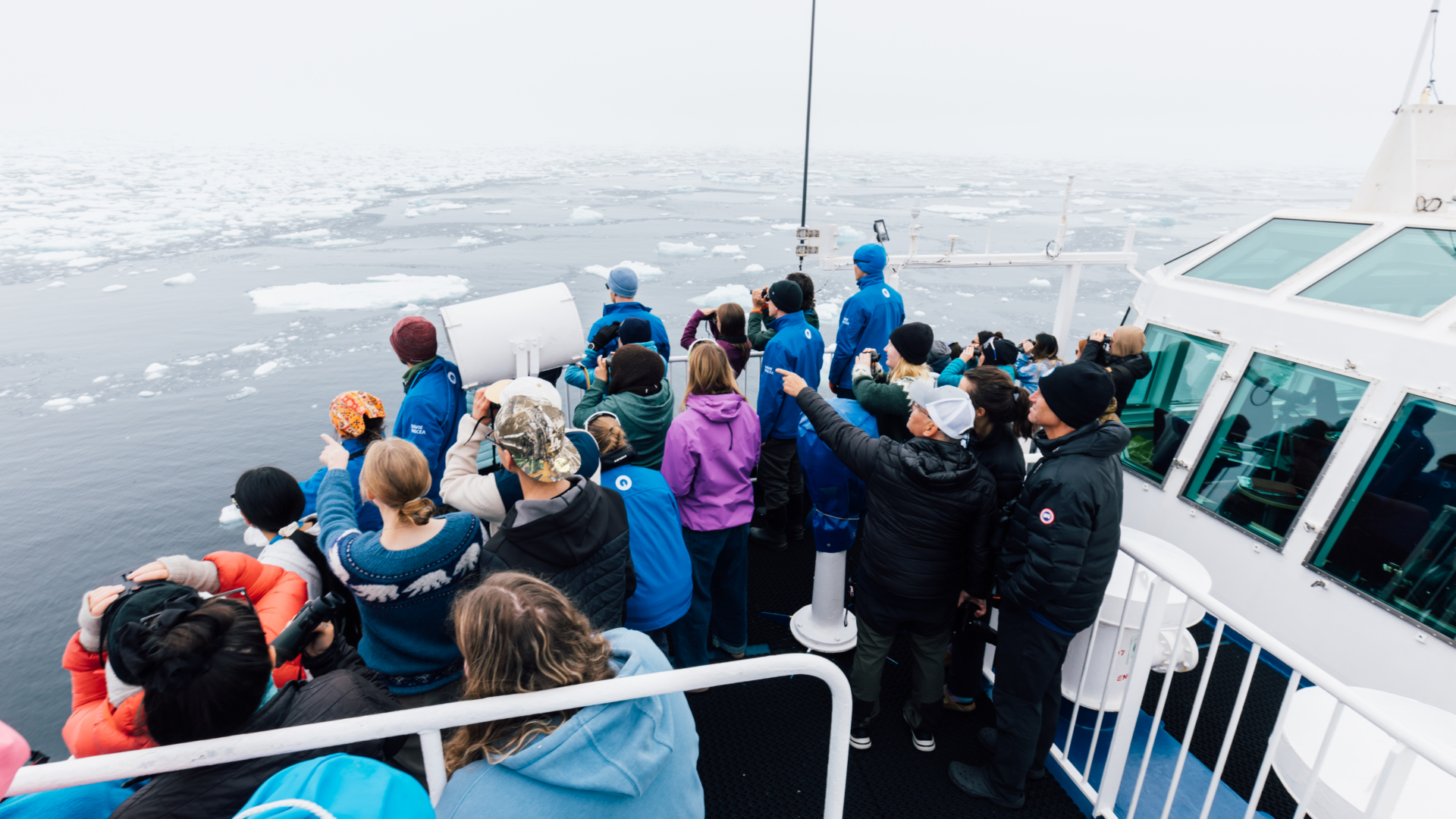
Imagine boarding a ship with 90 other educators and youth, spending 12 days together in close quarters, completely off the grid. For some, it might sound a bit intense, but for participants of the SOI Foundation North to North 2026 expedition (NN), it was the adventure of a lifetime. The expedition connected global youth with elders, educators, scientists, artists, and policy leaders. Driven by immersive mentorship, the goal was to advance our understanding of Arctic policy, climate change, and sustainable, healthy communities.
At the heart of this year’s NN expedition was the Ocean Nova, a ship that served as a floating platform. Far from the distractions of daily life, it provided a safe space where mentors and mentees crossed paths naturally, building bonds that lasted far beyond the expedition.
Prior to departure, feelings of excitement and nervousness were shared by all. “I’m super interested in how Indigenous knowledge and Western science is combined. That’s something that’s really new to me. I’m really open to not only learning from the educators, but also my peers around me because I’ve been talking to people from different places and with people that are much younger than me and they know so much,” Kristin Wikstrom, from Norway, excitedly shared.
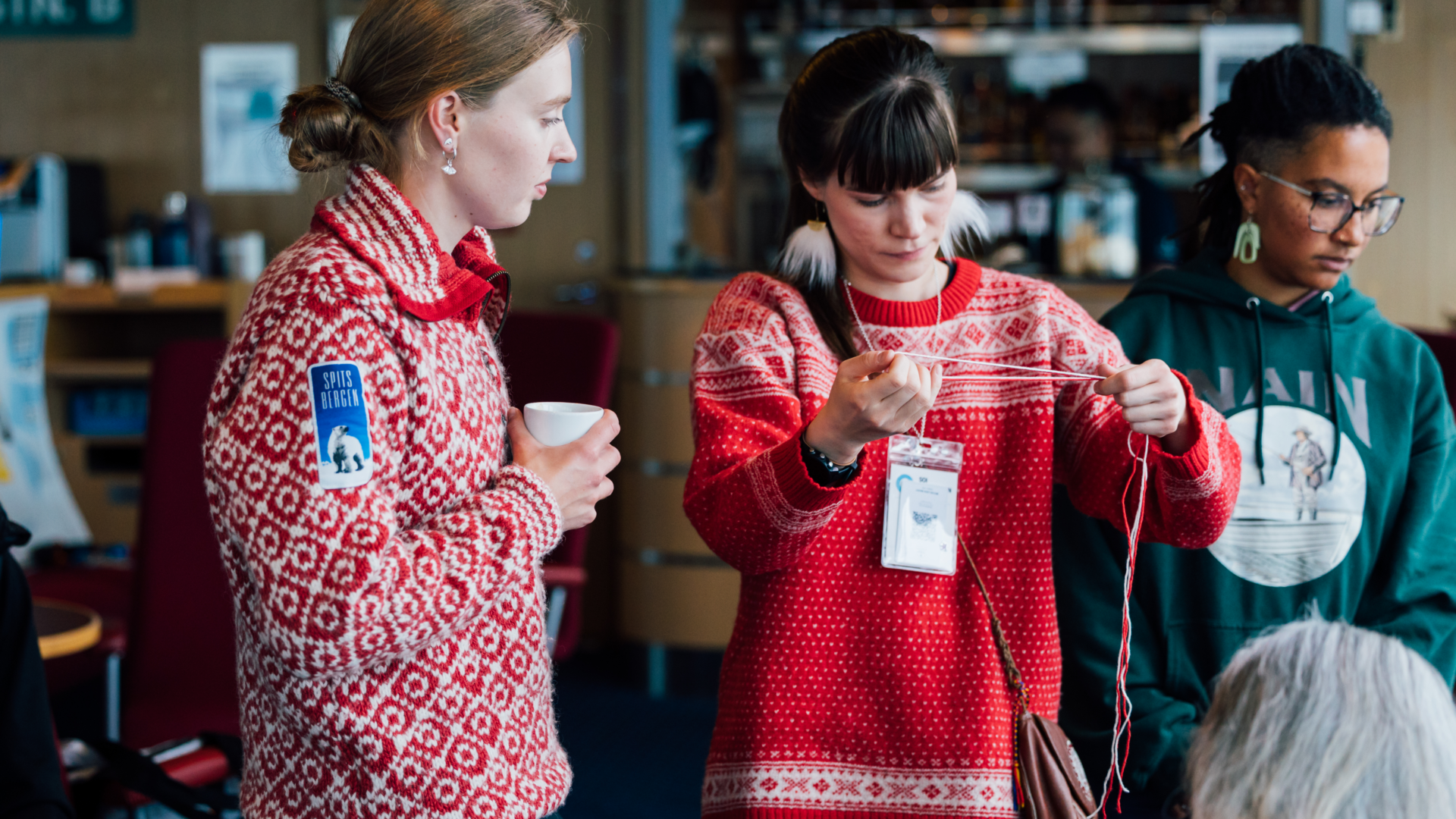
Within ship walls, mentorship took centre stage. For Kristin, mentorship was all about finding a peer for guidance. “The important part is to make people feel like they’re really safe and like a peer. Having more complex discussions, and not making things simple just to teach that way, but to lift them up to your level,” she shared.
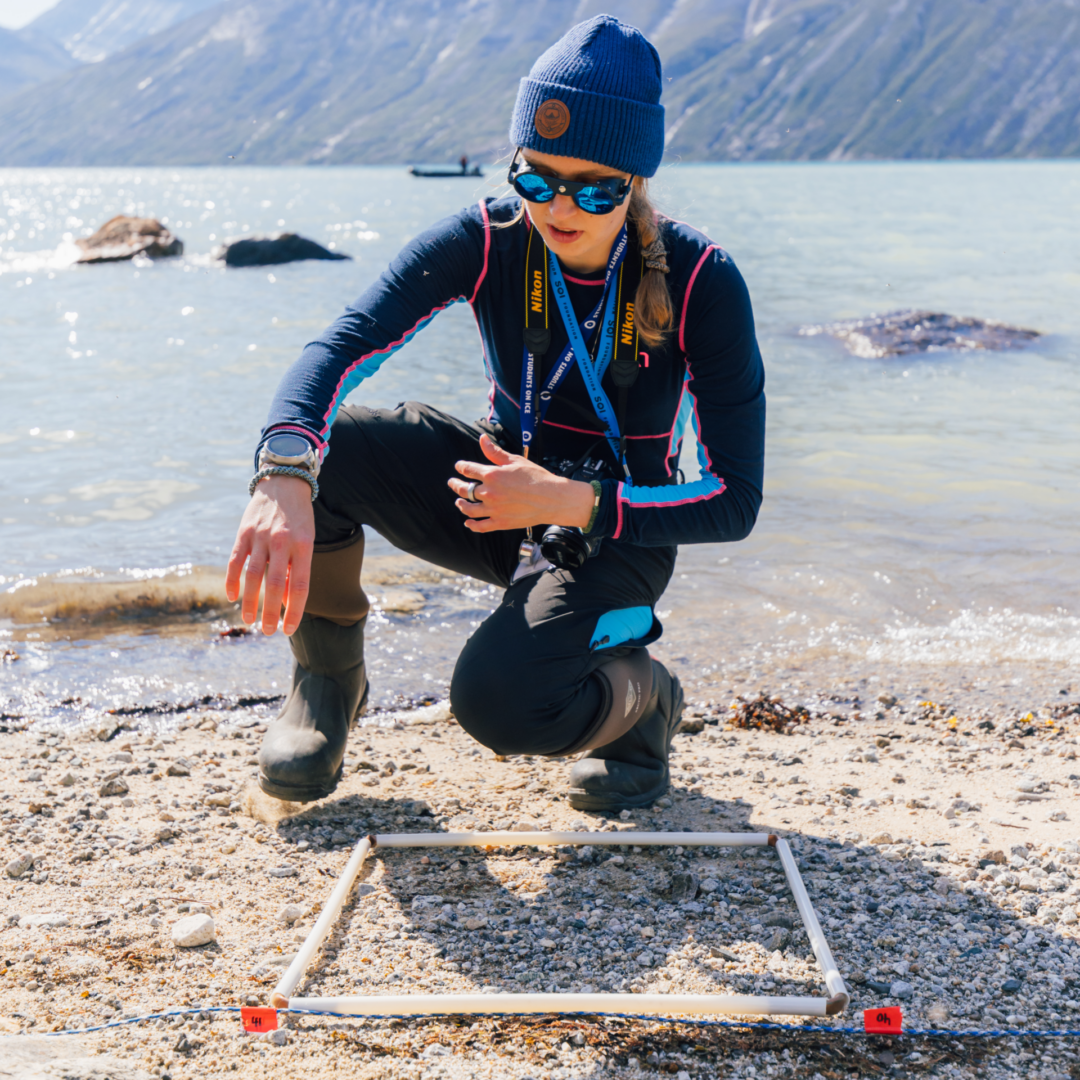
For others, a mentor was a trusted guide offering career or life direction, providing “really great guidance as to what I might want to do as a future career,” participant Jazmin Holwell, from Newfoundland, noted. Beyond individual guidance, mentorship on board was also connected with cultural roots. Gunn-Britt Retter, a Sámi educator from Unjárga-Nesseby, noted that bringing multi-generational bonds onto the ship continued the natural tradition of “walking together, across generations,” similar to learning alongside elders out on the land while fishing or hunting.

So how did this unique environment come to be, and how did it foster such strong collaboration between participants? After speaking with youth and educators on board, three key factors stood out.
Digital Detox

While on the Ocean Nova, participants were disconnected from the online world, a scenario increasingly rare in today’s digital age. Without screen access, mentors and mentees were presented with the space for genuine, undistracted conversations. Gunn-Britt shared that this allowed participants to lower the digital filter, opening them up to receive impressions directly from nature, the ocean, and each other.
Learning without access to the internet also presented a new approach. As Kristin observed, “you’re learning how to rely on information that you get in a completely different way. You can’t fact check it with your phone, you have to get that information from other people by actually talking and connecting with people.”

The Greatest Classroom on Earth
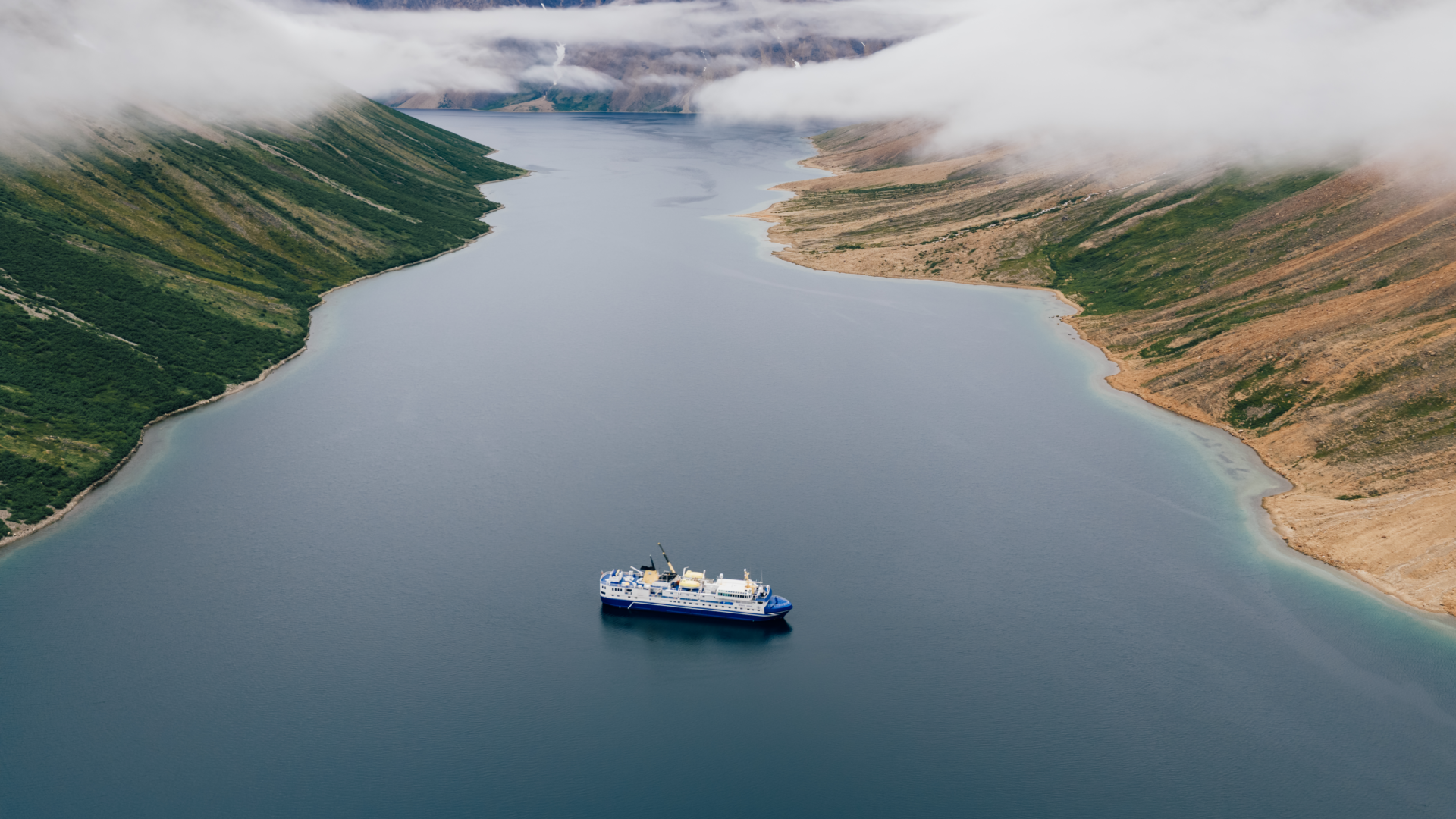
The mentorship experience in the Arctic was rooted in being out in the elements and experiencing the environment and culture firsthand. “Hearing the ice crackle, seeing that polar bear roll around… it’s all experiential. If all these kids were in the same classroom, they wouldn’t be collaborating like they are here. But here, they’re making lifelong friends. Whereas in the classroom, it’s just that. It’s a classroom. These kids will all go home at the end of the day, but this is a life altering experience,” explained Wayne Broomfield, an Inuk Expedition Guide from Makkovik, Nunatsiavut.
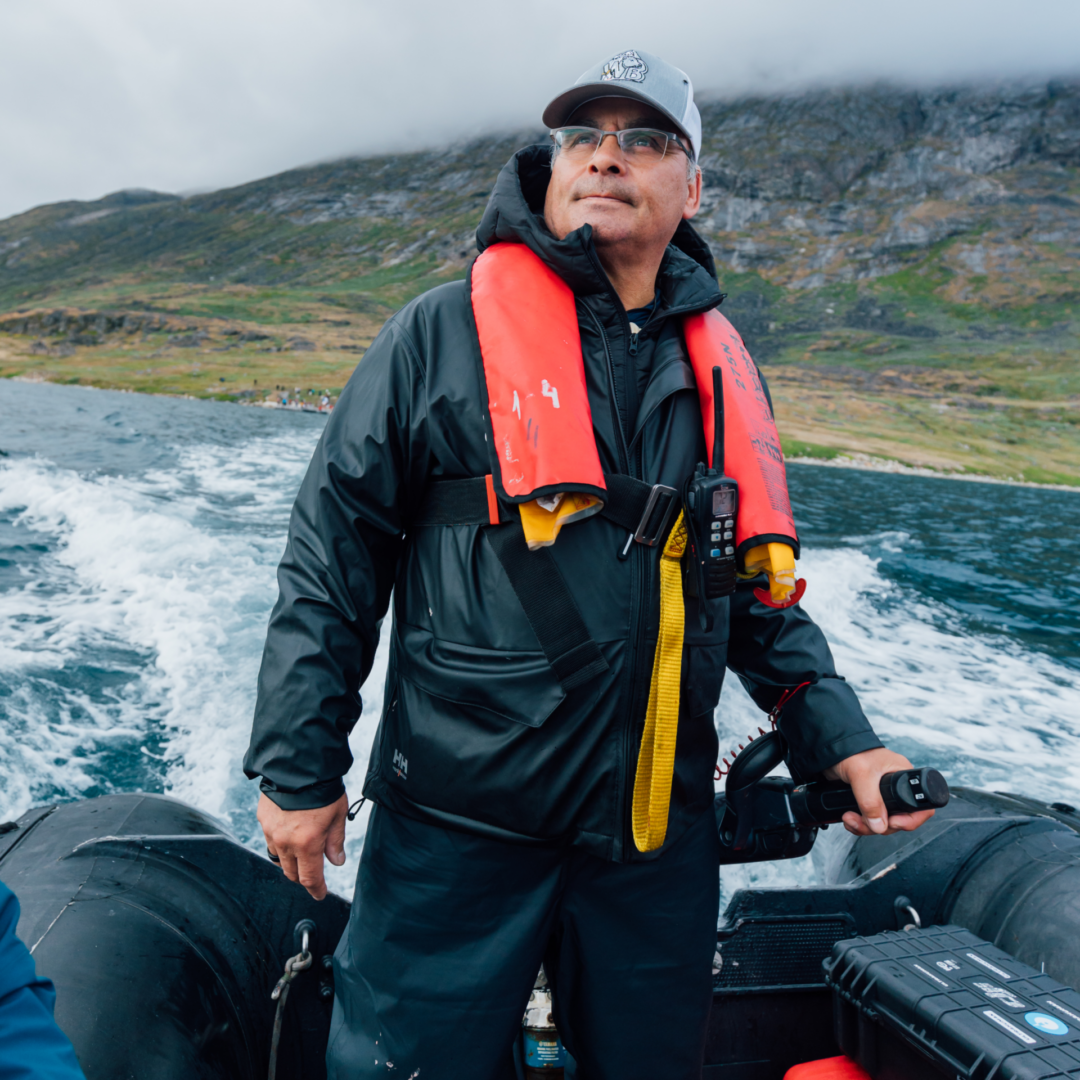
Retired Inuk conservation officer, David Wolfrey from Rigolet, Nunatsiavut, also noted that the harsh environment naturally taught important lessons in teamwork and safety, further deepening the bonds between youth and educators as they navigated and explored the terrain together.
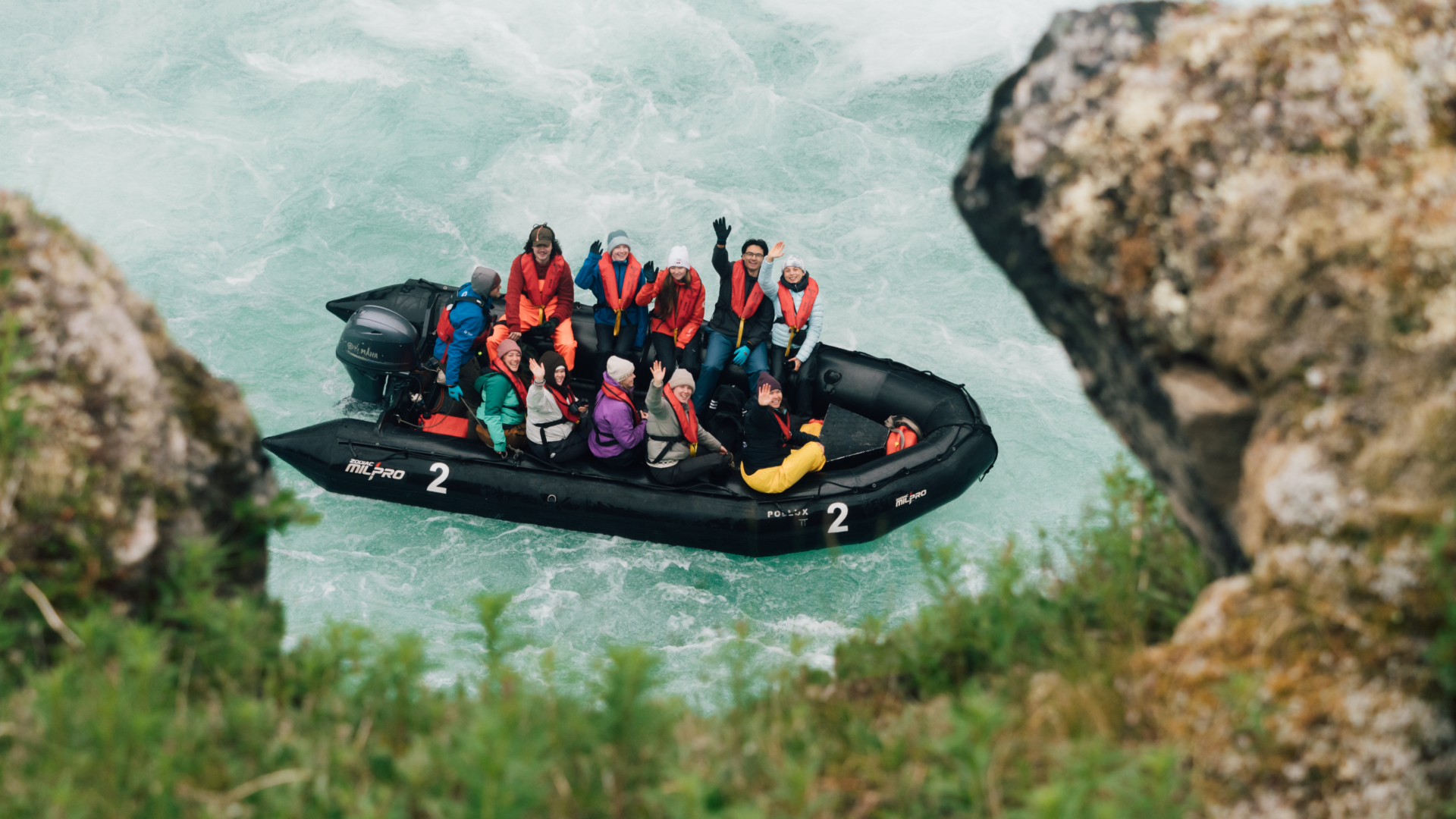
Open Heart and Open Mind

The relationship between a mentor and mentee was a true two-way street on the ship. Educators were not there only to impart knowledge; they were also there to learn from the youth, recognizing the value of their lived experiences and knowledge.
These conversations often highlighted the systemic barriers Northern and Indigenous communities faced. “The biggest thing is passports… a lot of it is the access to a passport and training,” remarked Wayne. He noted that the goal was to hopefully get training brought to the North so youth did not have to go South. “Some of these guys can actually become instructors in the courses that we got to do,” he said.
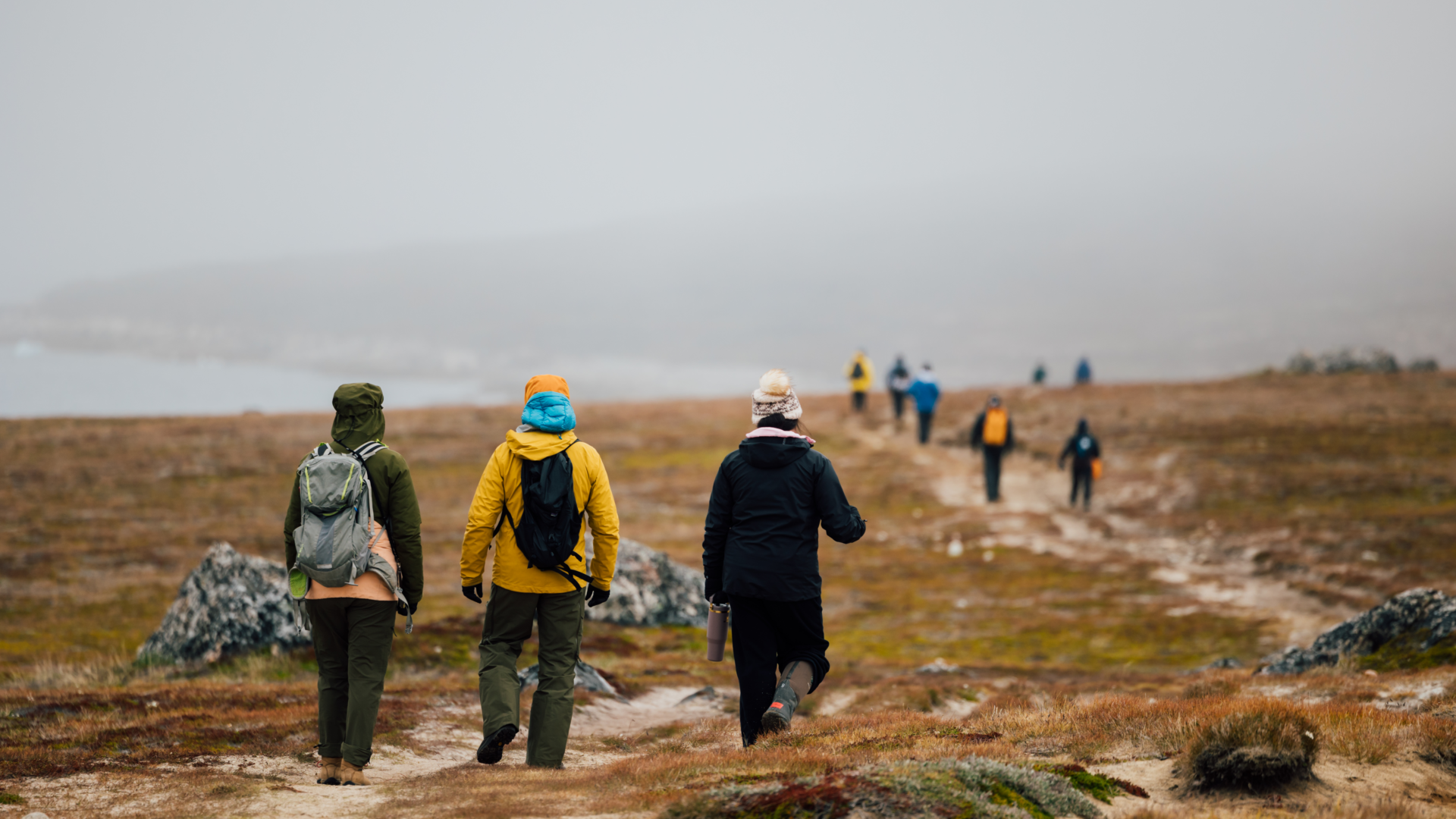
Wayne advised both educators and youth to “come with an open heart and open mind.” People oftentimes have preconceived thoughts and beliefs based on what they saw online, making it essential to approach the experience with a clean slate. “Open mind, open heart and just let it all sink in,” he said.

While this year’s 2026 expeditions have wrapped up, the relationships formed between mentors and mentees will continue to impact their lives, communities, and careers. Free from digital distractions and immersed in the elements of the Arctic, SOI’s expeditions prove that meaningful guidance goes far beyond the traditional classroom, showing us the power of mentorship, connection, and self-discovery.
Want to Get Involved?
This very spirit of mentorship and guidance is at the heart of the SOI Blue Futures Pathways (BFP) program. The program is dedicated to supporting career journeys across Canada’s Sustainable Blue Economy, regardless of what stage you’re at. If you’re looking to build your own professional network and join the BFP Mentorship Program, reach out to our team to get started!
Contact
Blue Futures Pathways